
DAVE BEECH
My still lifes are drawings from literature. I choose what to draw by reading novels and poems, and watching plays and movies. I hunt for working class characters in fiction and draw objects associated with them. For many of them, I return to material I already know to find working class characters that I missed the first time around.
Each drawing has a ‘double milieu’, a term used to describe events that are simultaneously in-person and online. The objects sit in front of me as I draw them but these objects are substitutes for fictional things that belong to an entirely different space and time. The drawings hover between here and there.
The titles of the drawings spell out another context - the original context from which the objects are picked. It may appear as if the titles add a context to the drawings through nomination but the representation of working class life in literature and cinema comes first.
I don’t try to track down exact or authentic replicas for the objects described in stories. I find substitutes for them in my home. I think of this as a thingly version of the 70s and 80s feminist strategy of merging the artist and model as part of the critique of the disembodied eye and the objectification of the body.
Typically, still life shows groups of objects. My still lifes are of single objects. This extracts them from any visible context. There is no evidence either of the fictional environment from which they derive or their immediate context in the moment of drawing them.
My still lifes are belongings. These are objects that have ended up as part of a life, first a fictional one and then my own. The objects do not tell their own story but interrupt the stories that are told about the working class. Looking at these things neither negates the stories from which they are cropped nor leaves those stories unmarked.
The isolation of the objects in a still life places a new emphasis on the missing context, the absent working class characters and their milieu. Not just here, not just there, but here, there and everywhere combined in multiple worlds and intersecting stories that fold fiction into fact. My still lifes are drawings from literature. I choose what to draw by reading novels and poems, and watching plays and movies. I hunt for working class characters in fiction and draw objects associated with them. For many of them, I return to material I already know to find working class characters that I missed the first time around.
Each drawing has a ‘double milieu’, a term used to describe events that are simultaneously in-person and online. The objects sit in front of me as I draw them but these objects are substitutes for fictional things that belong to an entirely different space and time. The drawings hover between here and there.
The titles of the drawings spell out another context - the original context from which the objects are picked. It may appear as if the titles add a context to the drawings through nomination but the representation of working class life in literature and cinema comes first.
I don’t try to track down exact or authentic replicas for the objects described in stories. I find substitutes for them in my home. I think of this as a thingly version of the 70s and 80s feminist strategy of merging the artist and model as part of the critique of the disembodied eye and the objectification of the body.
Typically, still life shows groups of objects. My still lifes are of single objects. This extracts them from any visible context. There is no evidence either of the fictional environment from which they derive or their immediate context in the moment of drawing them.
My still lifes are belongings. These are objects that have ended up as part of a life, first a fictional one and then my own. The objects do not tell their own story but interrupt the stories that are told about the working class. Looking at these things neither negates the stories from which they are cropped nor leaves those stories unmarked.
The isolation of the objects in a still life places a new emphasis on the missing context, the absent working class characters and their milieu. Not just here, not just there, but here, there and everywhere combined in multiple worlds and intersecting stories that fold fiction into fact.
The little cottage girl’s porringer in William Wordsworth’s poem “We Are Seven”.
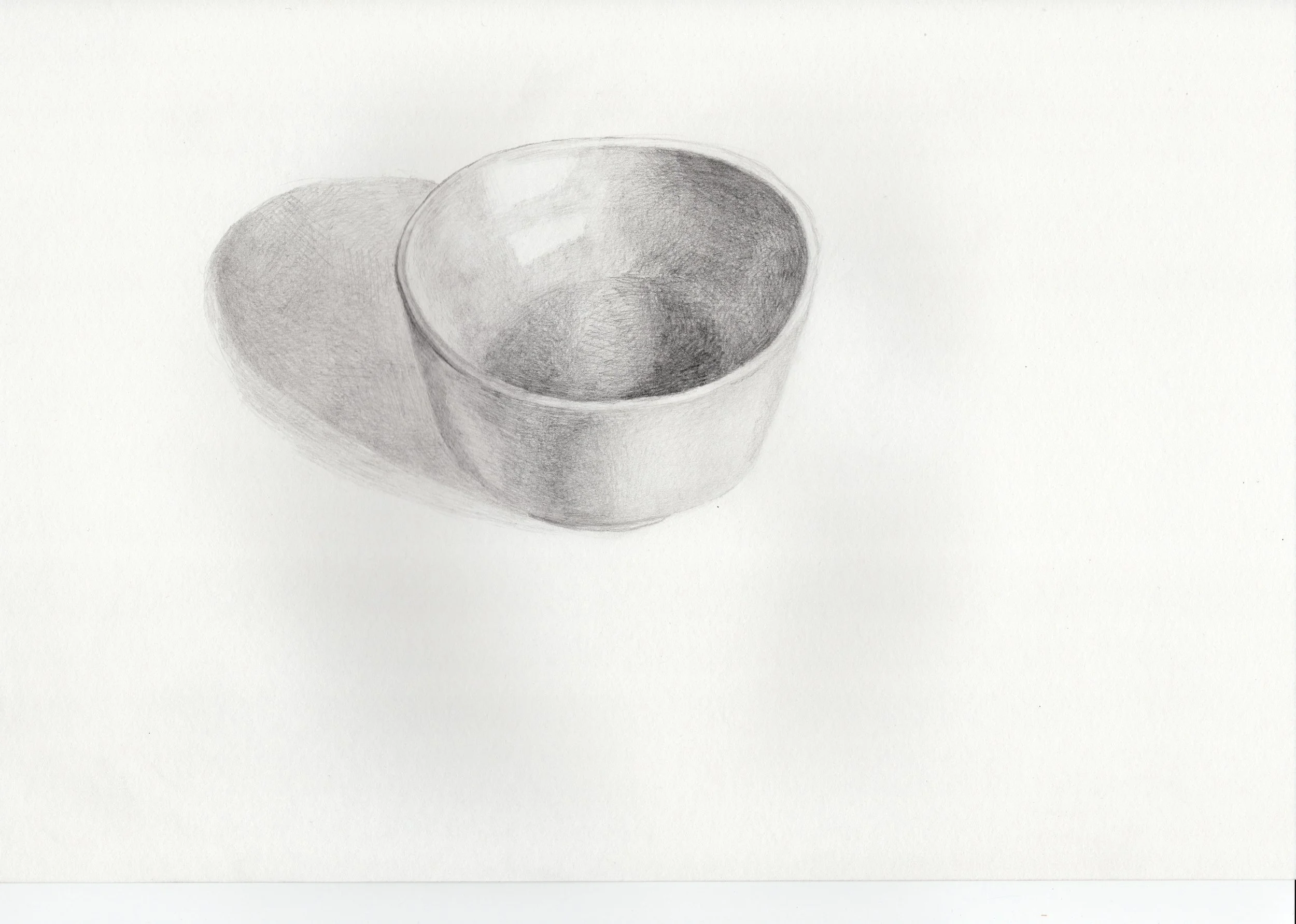
Wordsworth’s sentimental poem stages an encounter with a poor girl who appears, at first, to be ignorant, especially in maths, but turns out, on reflection, to embody a sort of folk wisdom. Referring to the size of her family, she says, “we are seven” despite the fact that she says two of her siblings are dead. The poet proposes that her family was either nine and now it’s seven or was seven and now is five. She insists “we are seven” and explains that the graves are twelve steps from her door and she sits with them when she works and when she eats her supper, taking her little porringer with her.
The unknown girl’s red ribbon found in the river in Toni Morrison’s “Beloved”.
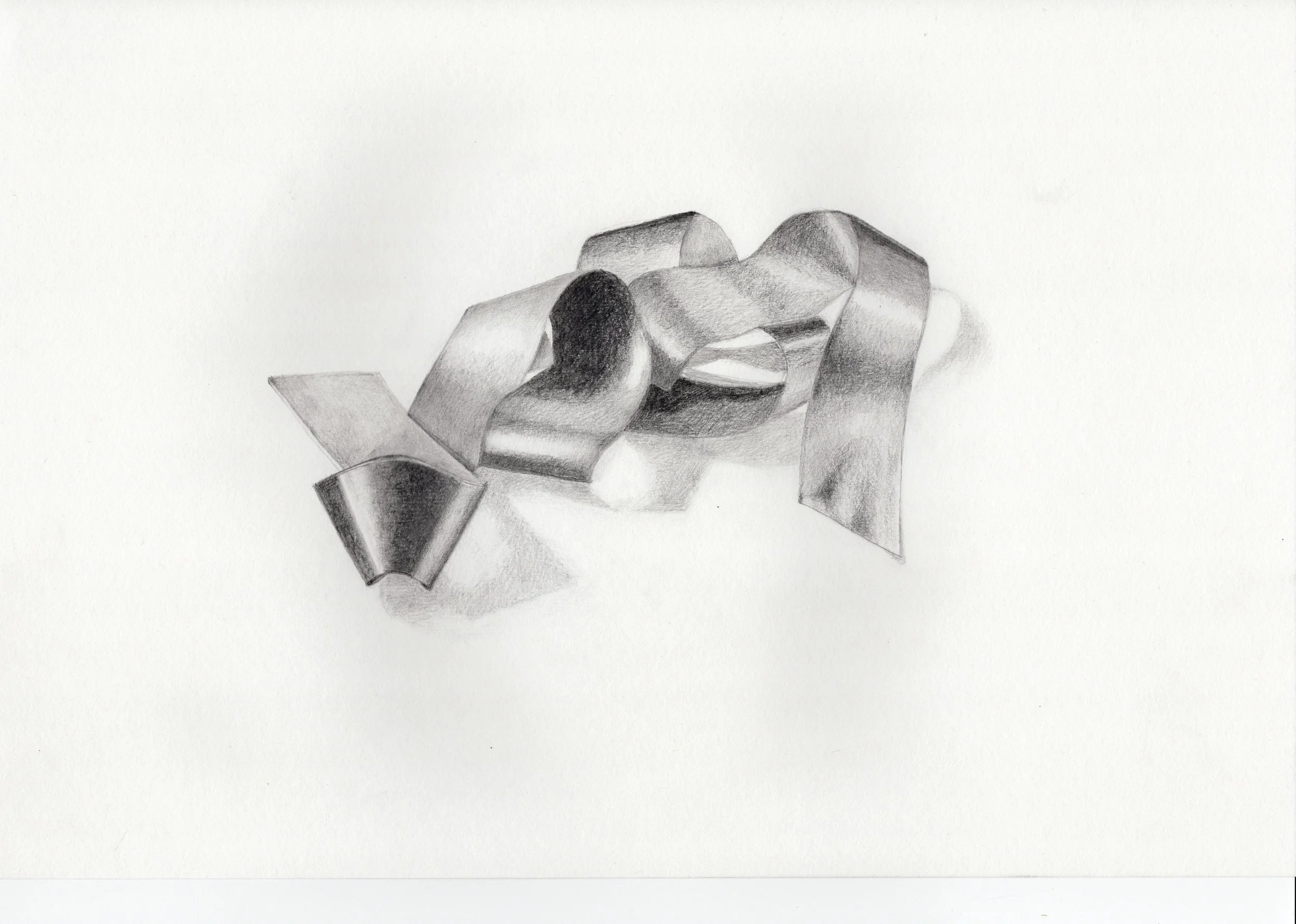
In the middle of a paragraph that begins with a list of white anti-black violence - lynchings, the burning of schools for black children, whippings and rapes - Stamp Paid sees something red in the river. It is a ribbon that bears the signs of a fatal struggle. Stamp puts it in his pocket, thinking about “black girls who had lost their ribbons”.
The earrings worn by the young servant who asks for a refund in Émile Zola’s “The Belly of Paris”.
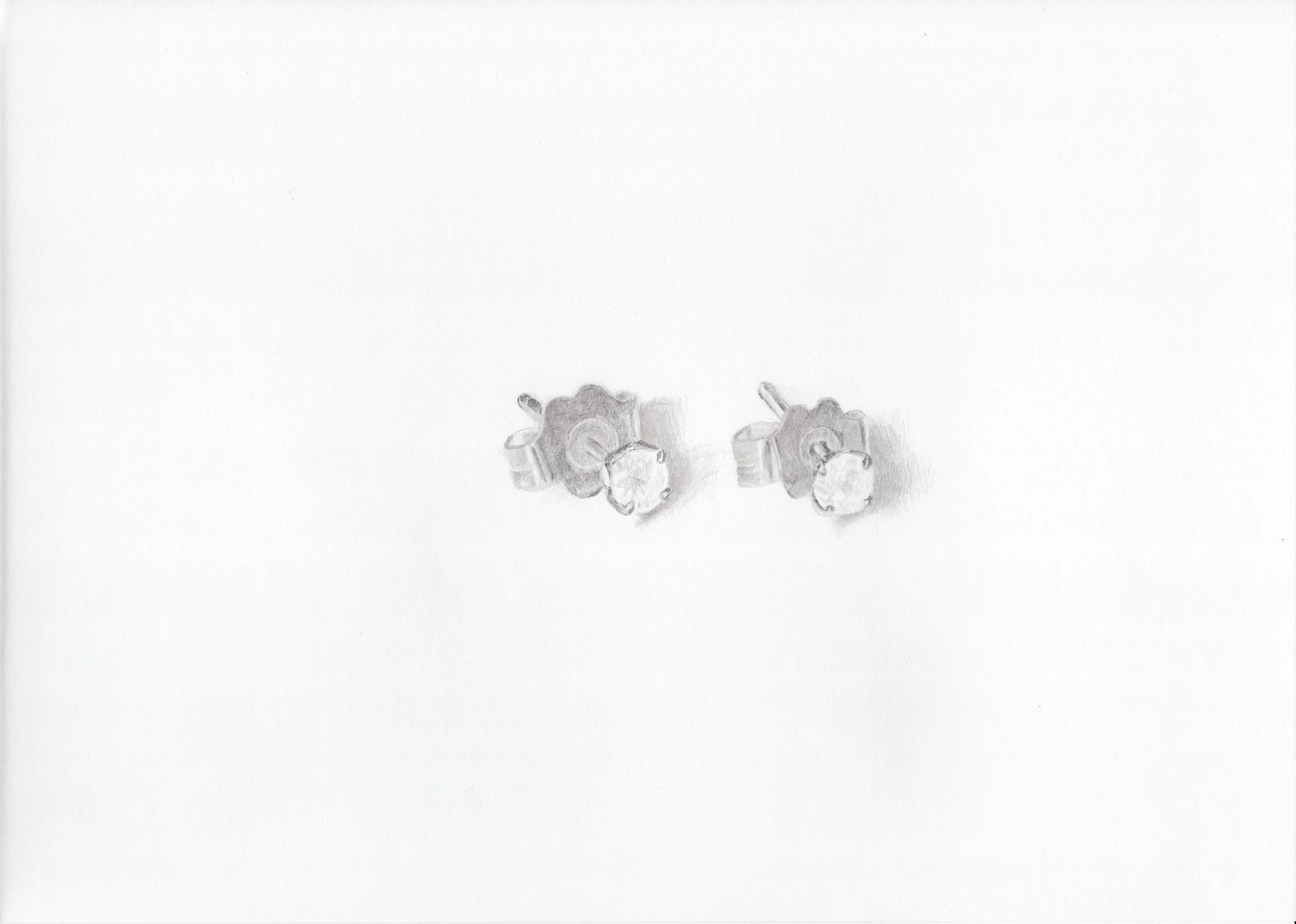
After buying a fish at the market the young domestic servant returns red in the face saying Madame Taboureau can’t serve it. The woman who sold her the fish blames the servant for not examining the fish at the time of purchase then, when the servant protests, tells her to shut up, insults Madame Taboureau then turns her attention to the servants’ earrings. “How much did those earrings cost? I bet you earned that lying on your back.” Here, the established social hierarchy within the working class between street sellers and domestic servants is symbolically obliterated by casting the servant as an even more stigmatised group of working class women, the prostitute.
The letter that Toyne receives telling him that his wife, Candy, is dead in Alan Clarke’s film “Scum”.
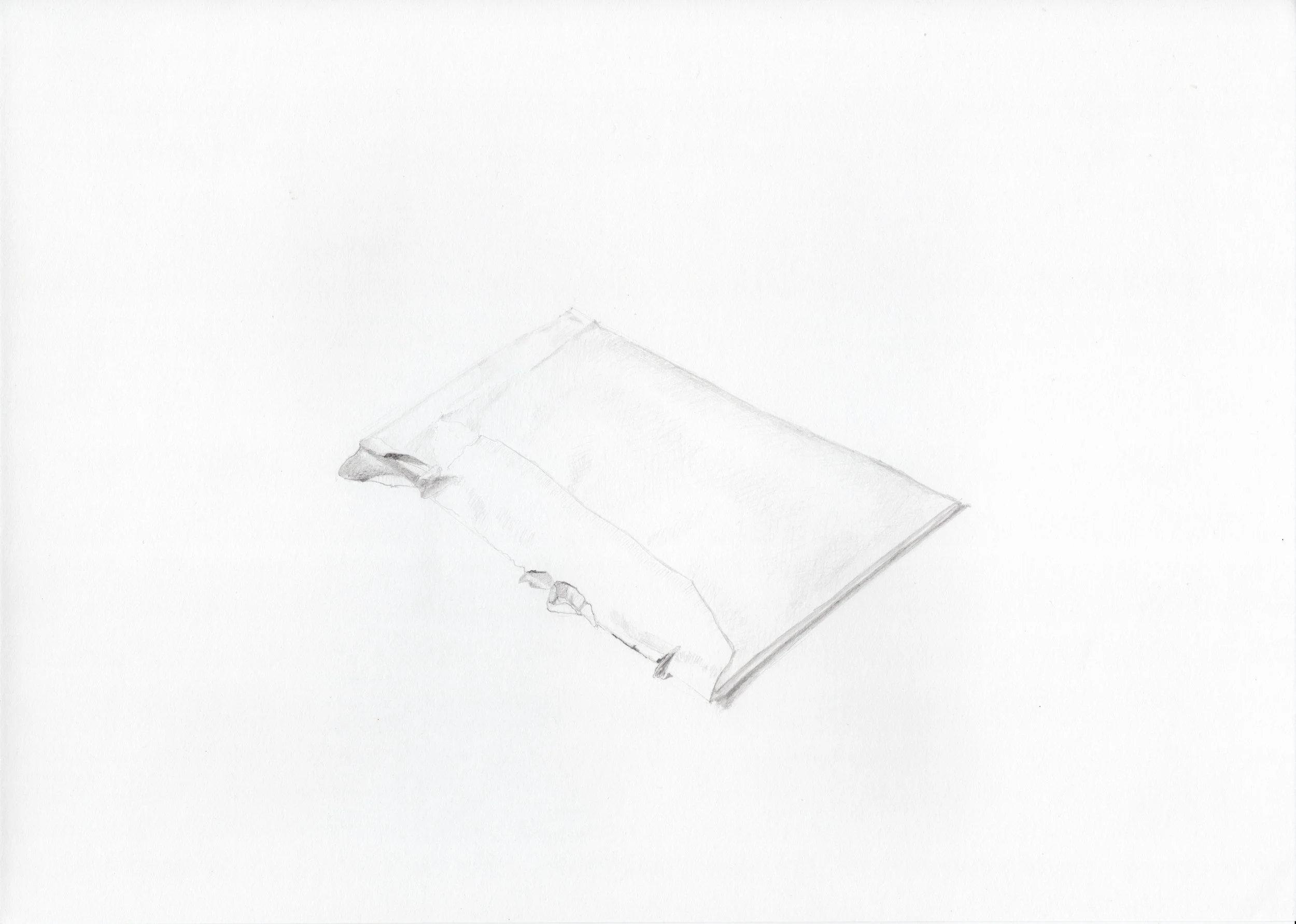
Within the narrative, the letter serves two purposes. It highlights the heartlessness of the prison employees who regard the death of Toyne’s wife with indifference. It also provides a turning point in his story and in the narrative as a whole. Her death changes him and sets off a string of consequences. However, we learn almost nothing about her. Candy is his pet name for her, not her real name. We hear that she is dead but not why or how. The letter says that Toyne hasn’t seen his wife for a while, implying that she did not visit him in the detention centre. It is not clear if they intended to live together when he was released. How she felt about his crime and imprisonment is left unspecified and we know nothing about her life alone while he was incarcerated. In the film, her death is presented as something that happens to him, not her.
The dollar that Jim handed over to Mac to buy stamps in John Steinbeck’s “In Dubious Battle”.
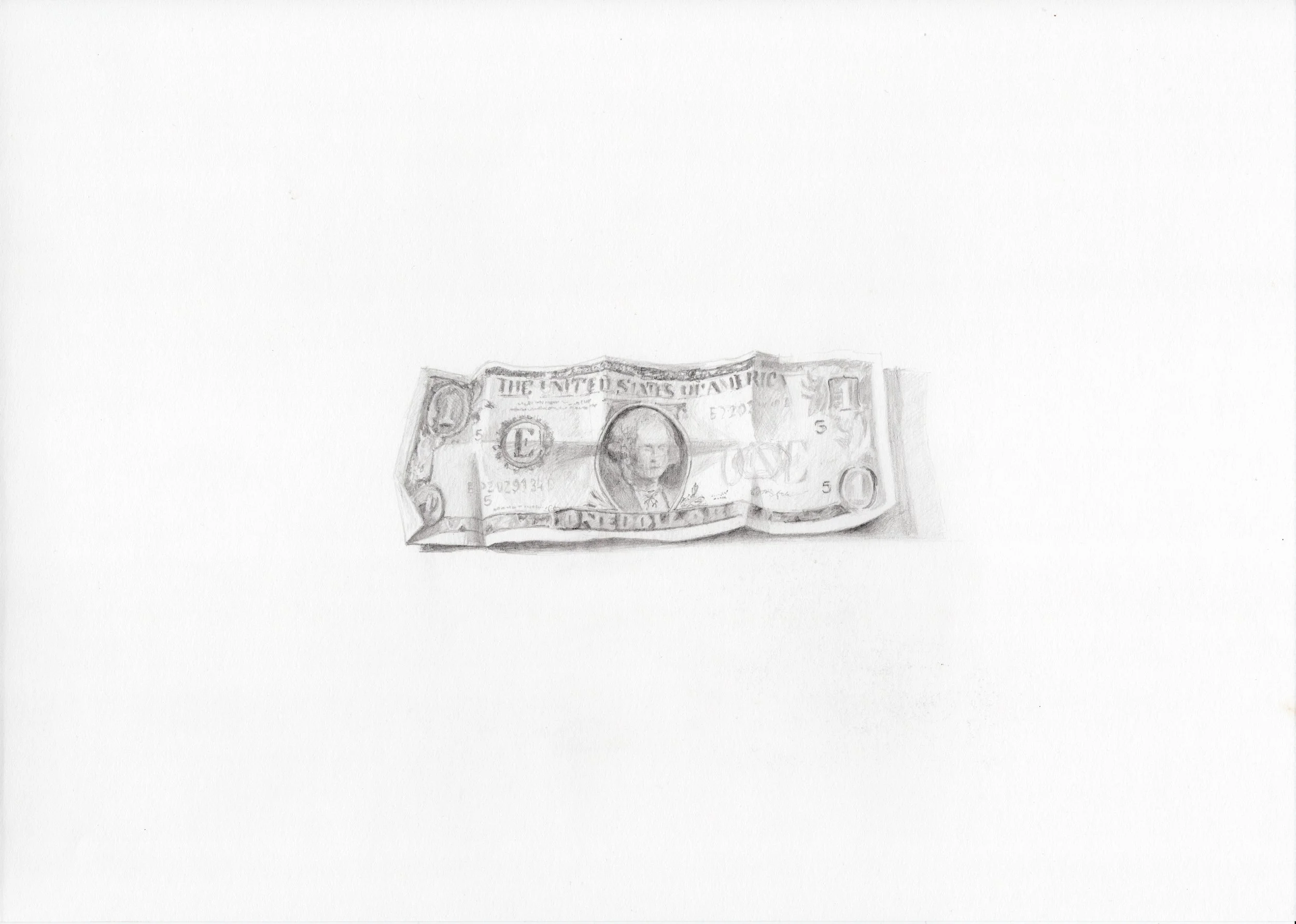
Mac recruits Jim to the party not by enthusing about it but by warning him about how difficult life is for party members. When Jim says he only has one dollar left, Mac suggests they use the money to buy stamps for party business. This might seem off but it is the kind of test of commitment that was essential to the American communist movement in the twentieth century. All party members were continually tested for increasing levels of their likelihood to make personal sacrifices for the sake of the movement. When Jim hands over the dollar without hesitation, Mac has learned something about the new recruit.
Tess’s pillow at the dairy farm in Thomas Hardy’s “Tess of the D’Urbavilles”.
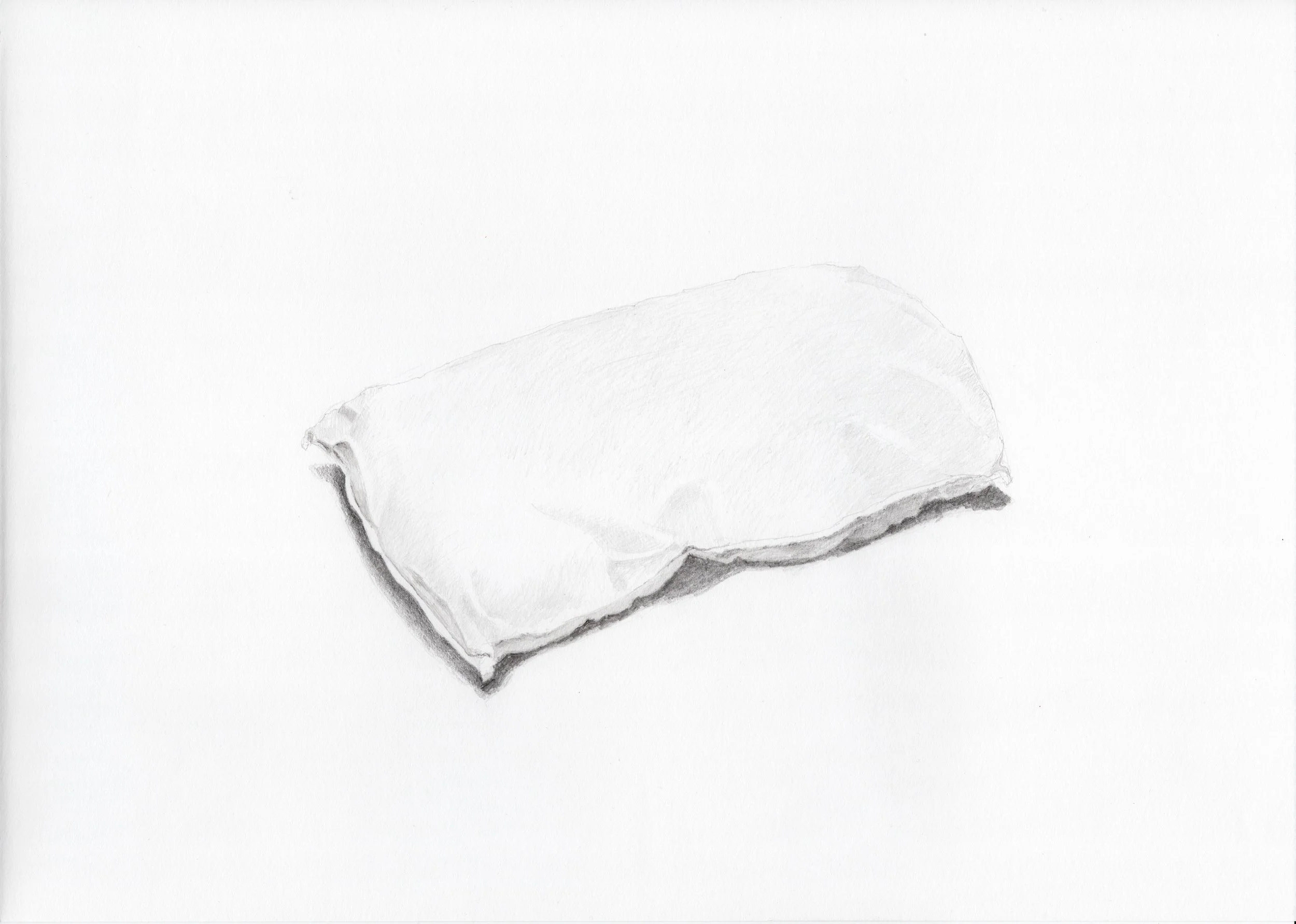
On arrival at the dairy farm Tess is told by the master-dairyman that it is “comfortable enough here for rough folk”. She has no room of her own. She slept in a cot in the dairyhouse with two or three other maids. It was when she lay on her pillow that she gathered her thoughts. It is while burying her face in the pillow that she determined to marry Angel Clare. Crying into her pillow she resolved to tell him about her past. The pillow is her study, her garden shed, her library. Judged as infrastructure, the pillow was almost wholly lacking in the material and symbolic properties necessary for prolonged and deep thought but it was enough for marking out some particular time of the day as being her’s.
The portrait of Queen Victoria that the “cockney Signora” displays on the wall of The Bertolini in E. M. Forster’s novel “A Room with a View”.
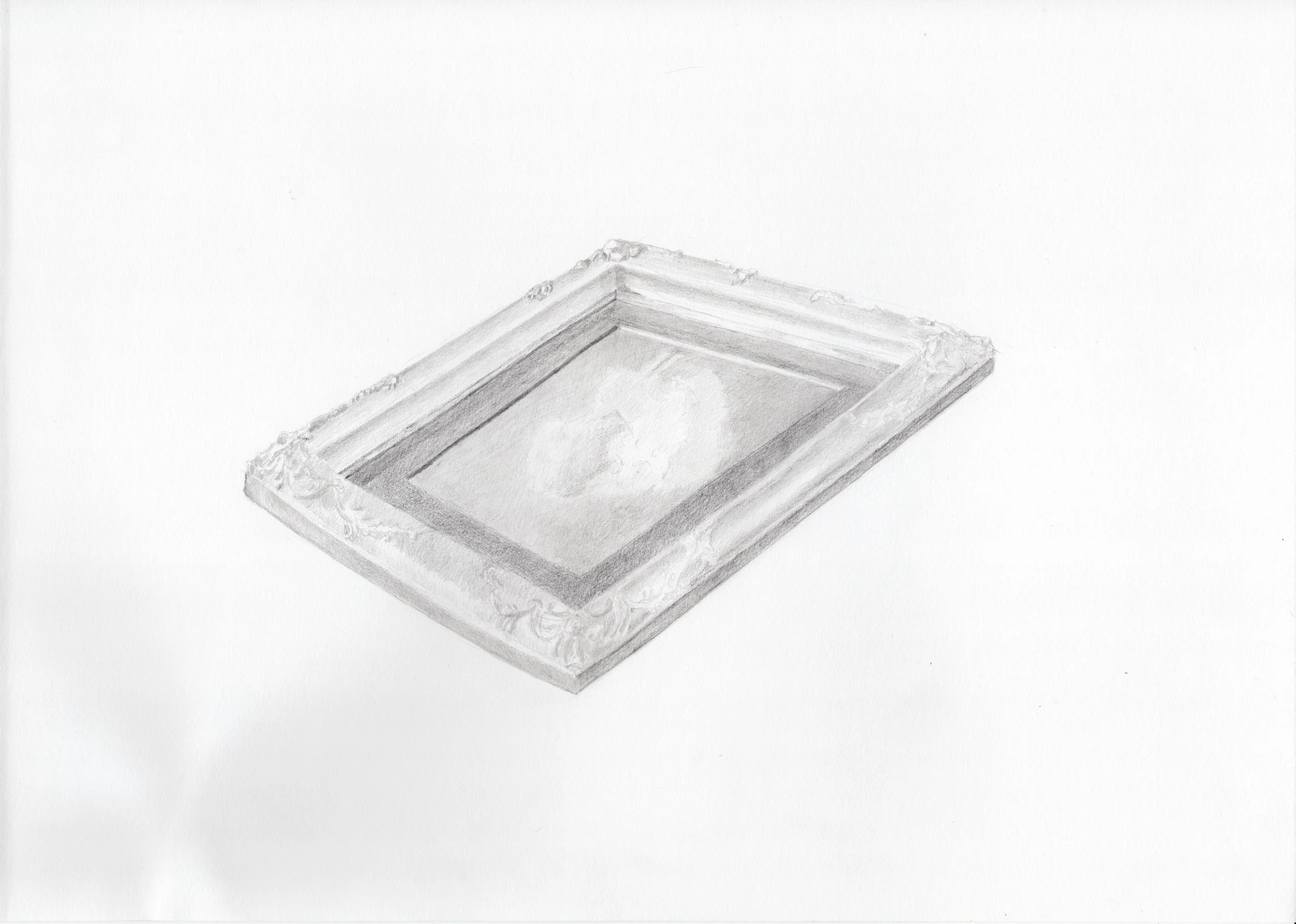
Signora Bertolini, introduced comically as the “cockney signora” but also referred to as the unreliable signora, is a working class English landlady of a pension in Florence. She is ridiculed by her upper class guests as well as by the novel’s narrator. The list of gripes against her seems endless: she serves bad food, she mispronounces the names of her own children (‘Enery and Victorier), the drawing-room looks like a Bloomsbury boarding house, the curtains “seemed heavy with more than cloth” (dirt?), staying with her is more like being in London than Florence, and the decorations on the walls are limited to a notice of the Anglican church in Florence and two heavily framed portraits, one of the poet laureate and one of the late Queen Victoria. While the genteel folk visit Italy to experience great culture, the cockney signora surrounds herself with reminders of England. Unlike the travellers who temporarily immerse themselves fully in a foreign culture, she keeps a few tokens of her homeland with her. She is portrayed as a cliché of a bad tourist but is, in fact, a migrant worker who has built a hyphenated life in Italy.
Billy’s falconry gauntlet in Barry Hines’ novel “A Kestrel for a Knave”.
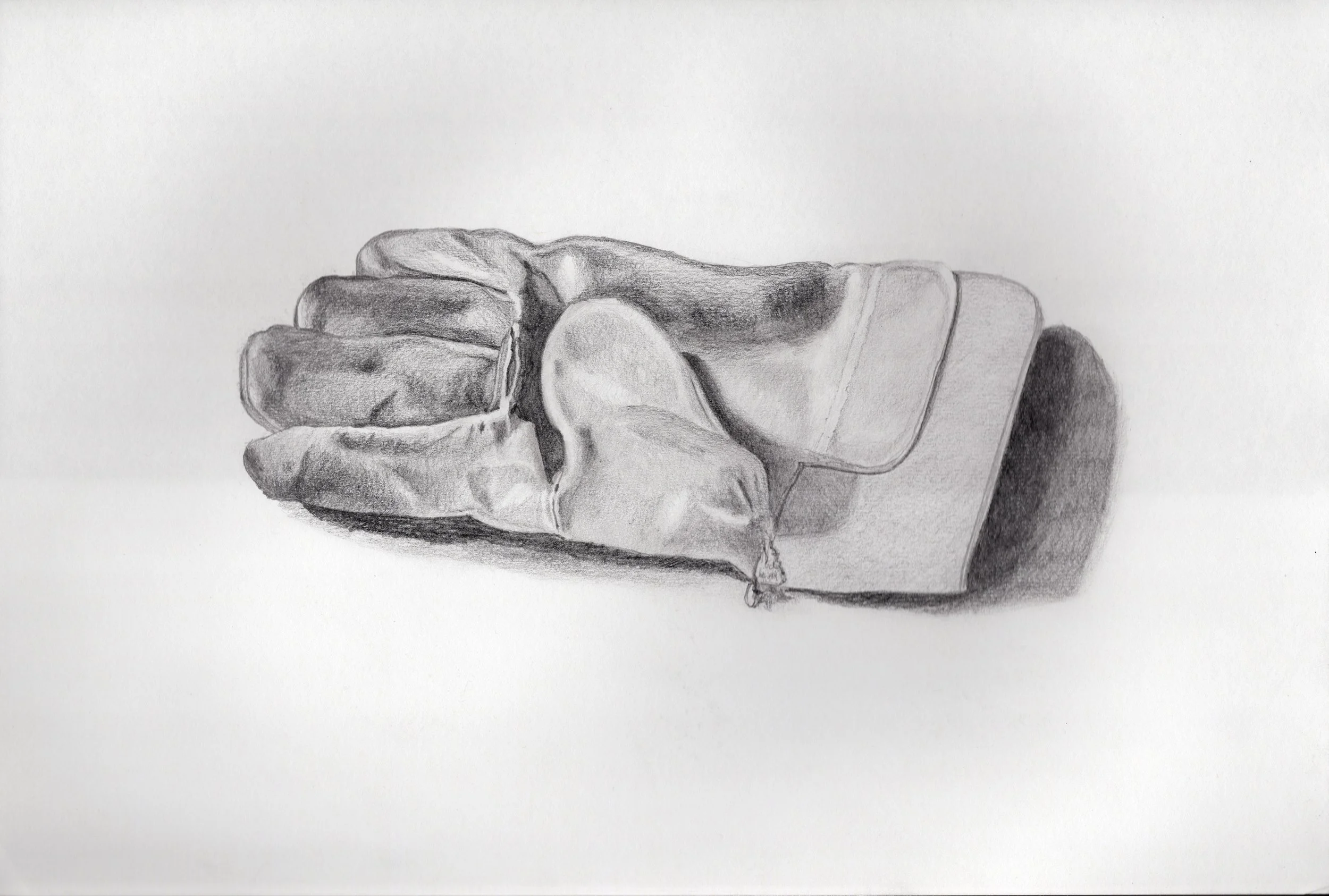
Billy is an iconic working class character. The book is full of them. Billy doesn’t use a genuine falconry gauntlet but a worker’s glove, most likely a welding glove or a gardening glove, that he has probably stolen. Similarly, Billy fashioned a creance - the cord attached to the leg of a hawk to prevent escape during training - out of a fishing line and a dog collar. These pieces of improvisation show Billy’s ingenuity but also his distance from the social world of established falconry.
The darts used by Honky, the young brummie woman wearing glam rock boots, in the pub when she surprises the men that she is a better player than them in Mike Leigh’s television play “Nuts in May”.
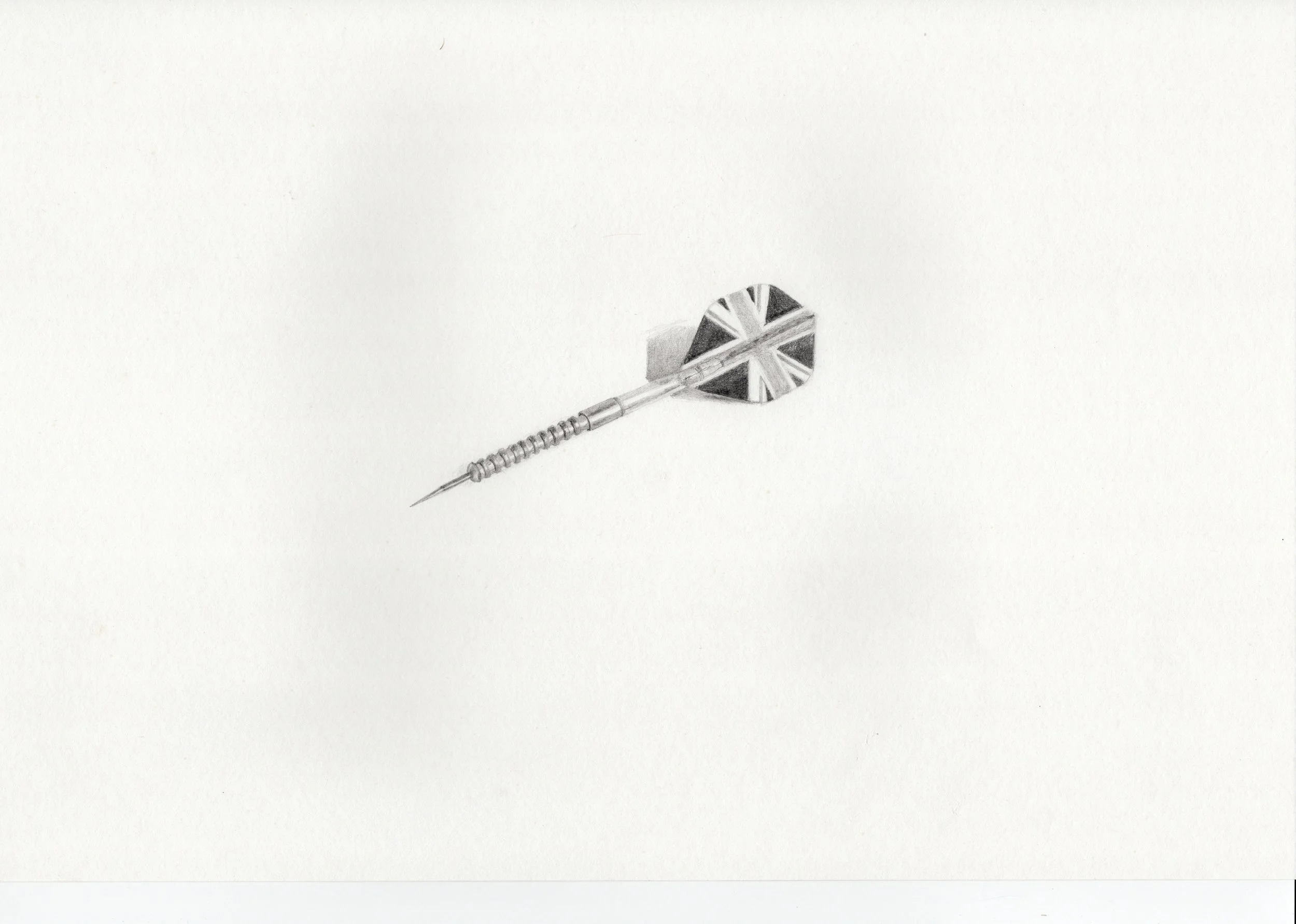
Keith and Candice Marie exhibit numerous middle class traits from foregrounding the pleasures of planning over spontaneity to seeking to encounter authentic country scenes rather than tourist traps. Their symbolic differences from the working class crystallise into open contempt and violent confrontation when a working class couple, Finger and Honky, from Birmingham pitch their tent close by and refuse to behave like middle class campers. This reaches boiling point when Keith demands they follow the country code. The scene in the pub, playing darts, is the epitome of working class pleasure - fun, unserious, happy, relaxed - and is the stage for an inversion of Keith’s intellectual dominance of Candice Marie when Honky shows the boys how to play darts.
The pennies placed on the eyes of the violent dad’s corpse in Terence Davies’ film “Distant Voices, Still Lives”
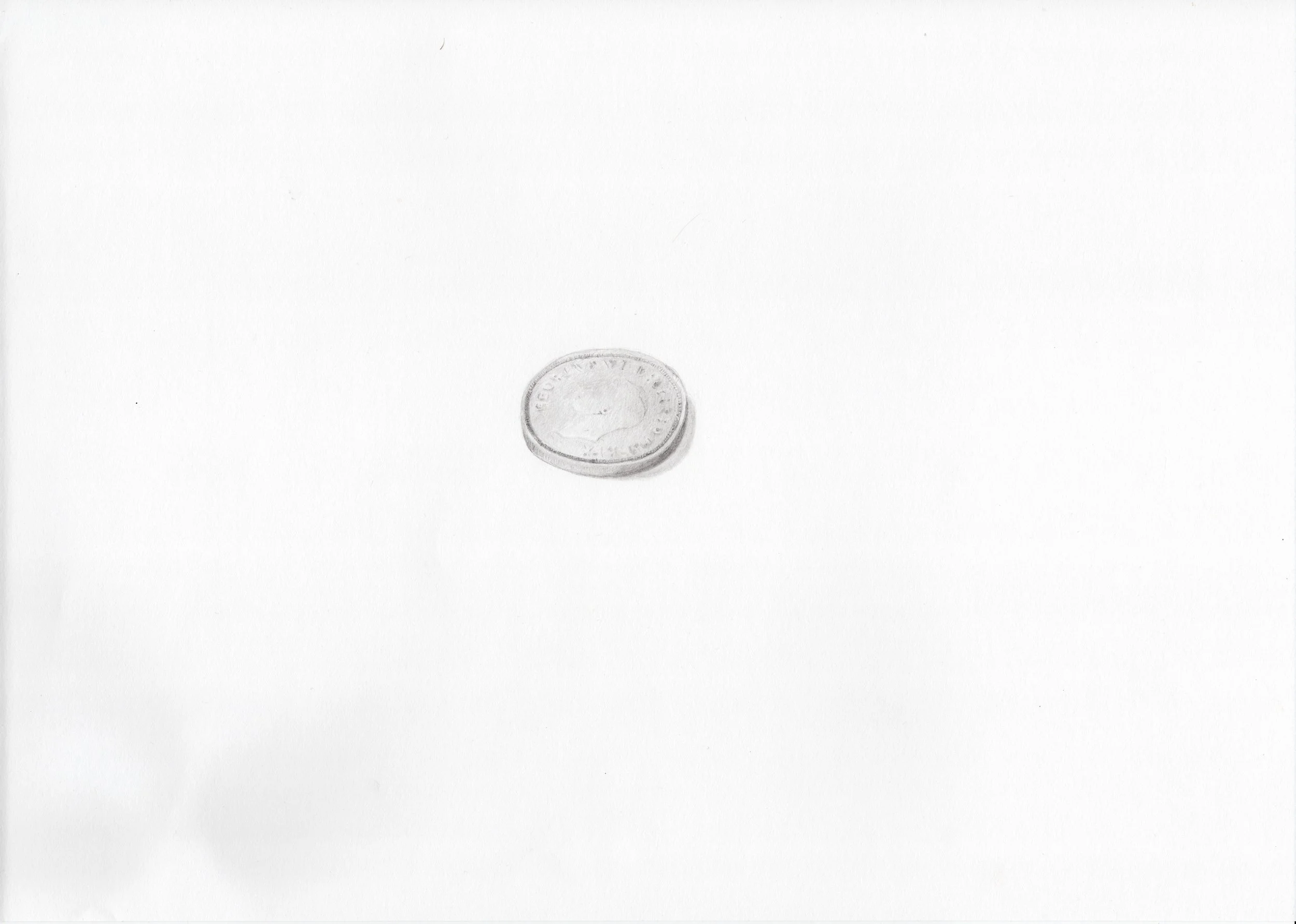
The film turns around the central figure of a northern working class dad and husband, especially his violent and tyrannical rule over his family. What makes the film so gripping is that the story is told from the perspective of the family suffering and supporting each other around the cruelty of the dad. The pennies placed over his dead eyes are put there by the same people that he has abused. Film critics seem to imagine that the dad in “Distant Voices, Still Lives” is typical of working class men. The repetition of this pattern with other characters in the film seems to confirm this perception. What’s missing from this interpretation is not only non-violent working class men but also the violent, abusive, predatory, exploitative middle class dads and husbands and bosses that are always represented as untypical of their class.
The vase next to the grey headstone behind the smashed window in Alan Sillitoe’s novel “Saturday Night & Sunday Morning”.
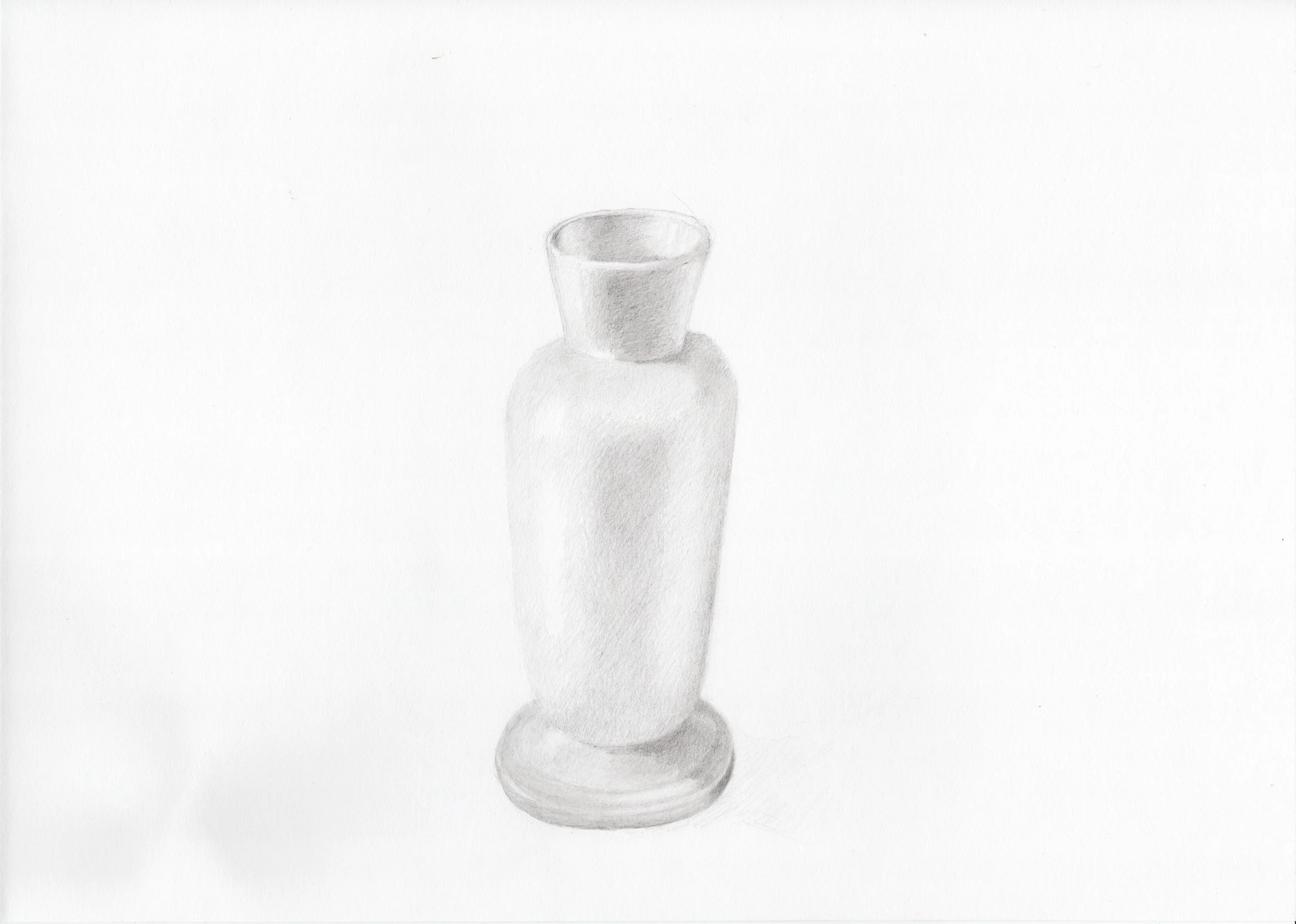
The novel follows Arthur working, boozing, fighting and hooking up. He is a character built around a familiar set of working class stereotypes. When a he sees an older man walk across the street in front of him carrying a pint of beer and throwing it at the undertaker’s shop window, he encounters a different kind of working class figure altogether. The narrator remarks about how Arthur responds emotionally to the sound of breaking glass and runs to join in what he imagines is a riot but what he finds is a desperate man at the end of his tether. The old man explains he buried his mother recently and he wanted the vase for her. Arthur tells him to run before the police arrive but it’s too late.
The hard hats worn by protesting miners marching against pit closures in Patrick Keiller’s film “London”.
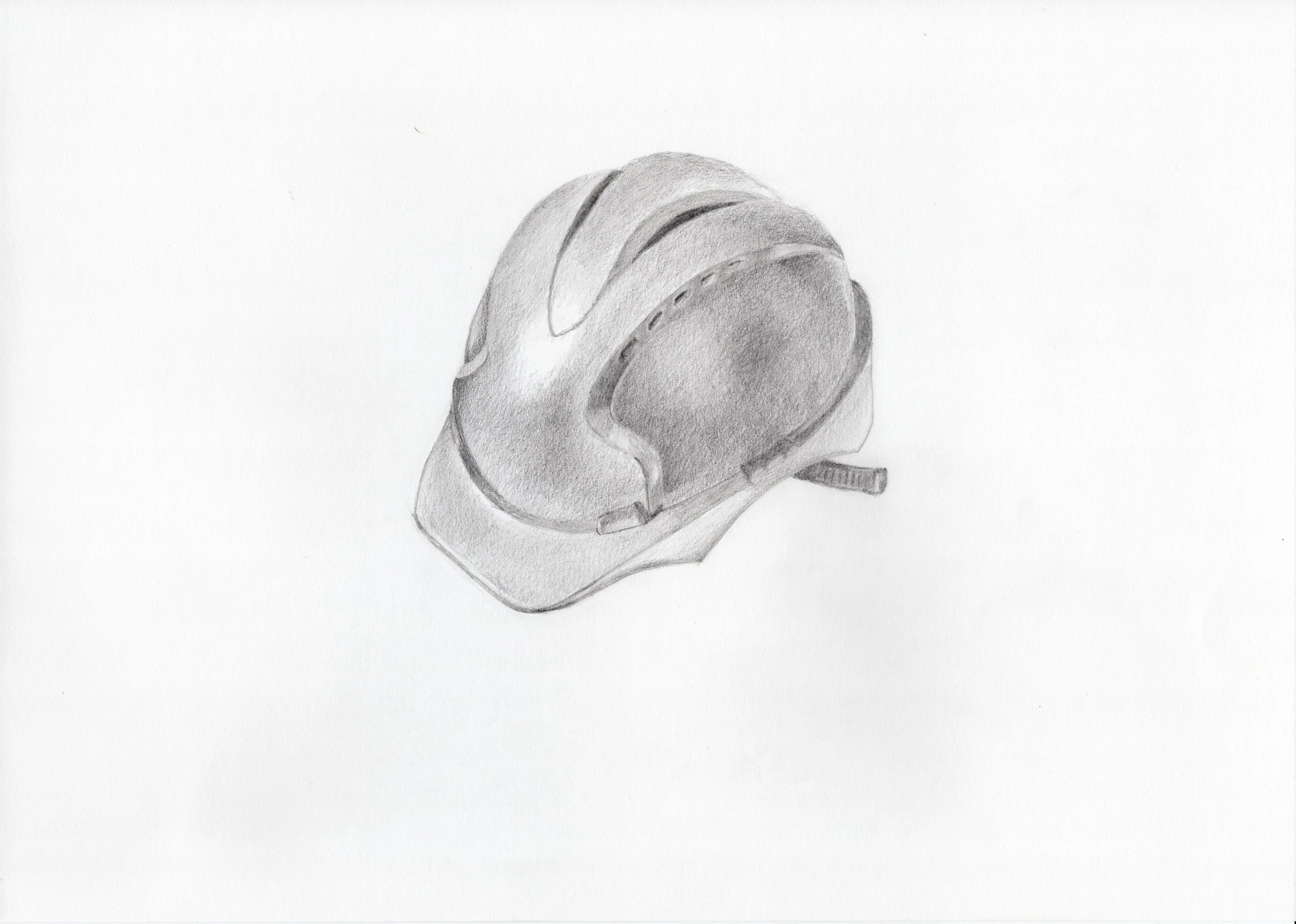
A hard hat worn in a march is no longer workwear. It is signage. When they are not working, miners look like any other worker except close up when you can see their eye lashes that look like they are wearing mascara. Every protest march of solidarity is diverse. Participants carry banners to identify their occupations, locality, political party and so on. The film shows protestors carrying a banner for the Ivybridge & District South Hams Constituency Labour Party at a huge rally in Hyde Park. Here, everyone is in solidarity with the miners and the miners act as a focal point for a deeper political unity. By wearing the hard hats, these miners offer a visual anchor point for the struggle.
The salver containing cucumber sandwiches for Lady Bracknell in Oscar Wilde’s play “The Importance of Being Earnest”.
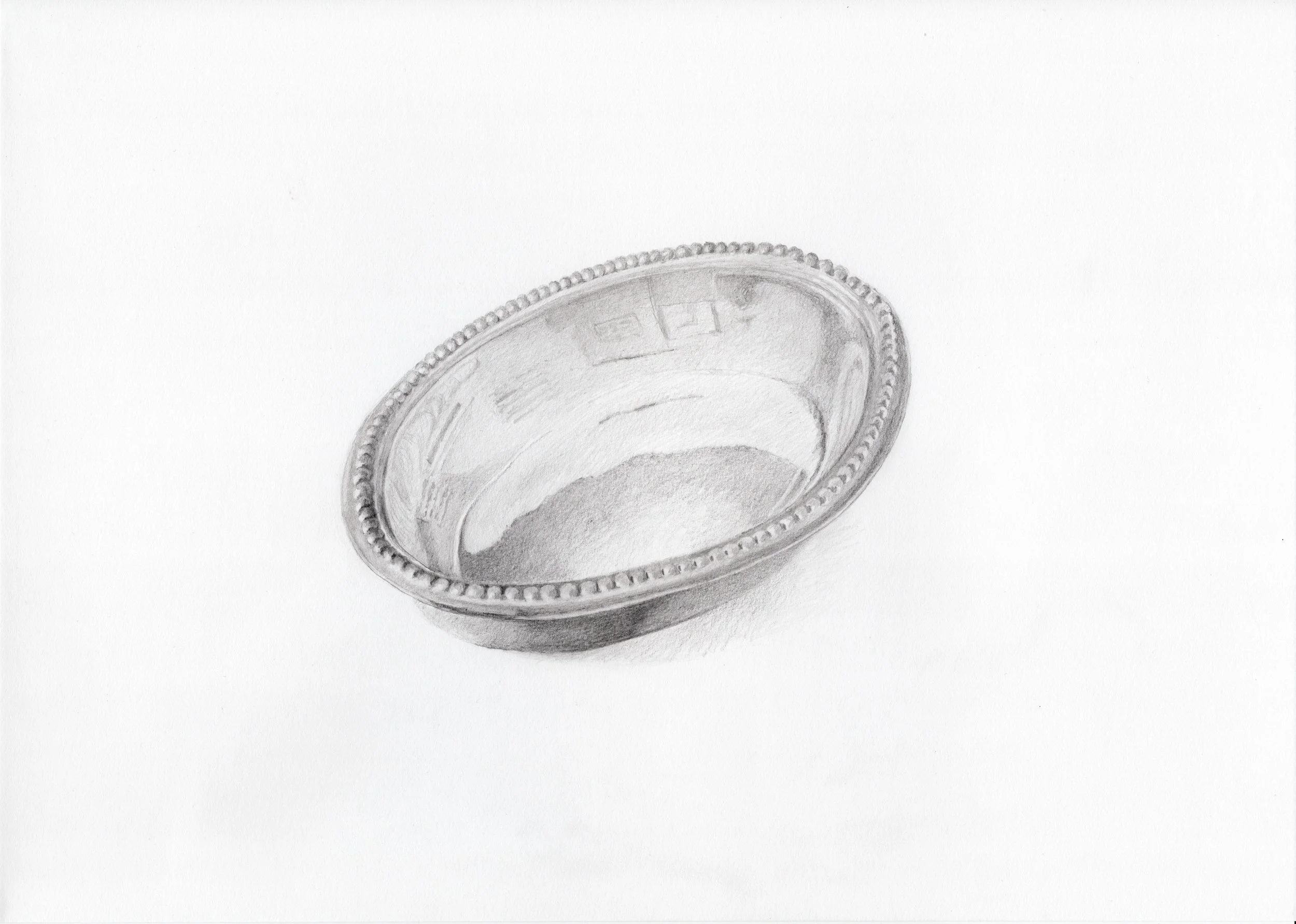
The tray functioned in domestic service as a thin but solid protective screen standing between the working hand of the servant and the genteel hand of their employers. When Lane, the manservant, hands over the cucumber sandwiches to Algernon on a tray, Algernon does not take the tray, which is only ever touched by servants, but takes hold immediately of two of the sandwiches. The tray is a symbolic and real social distancing device between classes. It keeps two worlds apart but also enforces two distinct relations to the outside world. The servant does not touch the world but carries materials to the master or mistress without ever holding them. If a kitchen maid has cut the sandwiches, this action is hidden by the food being presented in a ritualised form of isolation on a tray.
The green mackintosh that Doris Kilman has worn year in year out in Virginia Woolf’s novel “Mrs Dalloway”
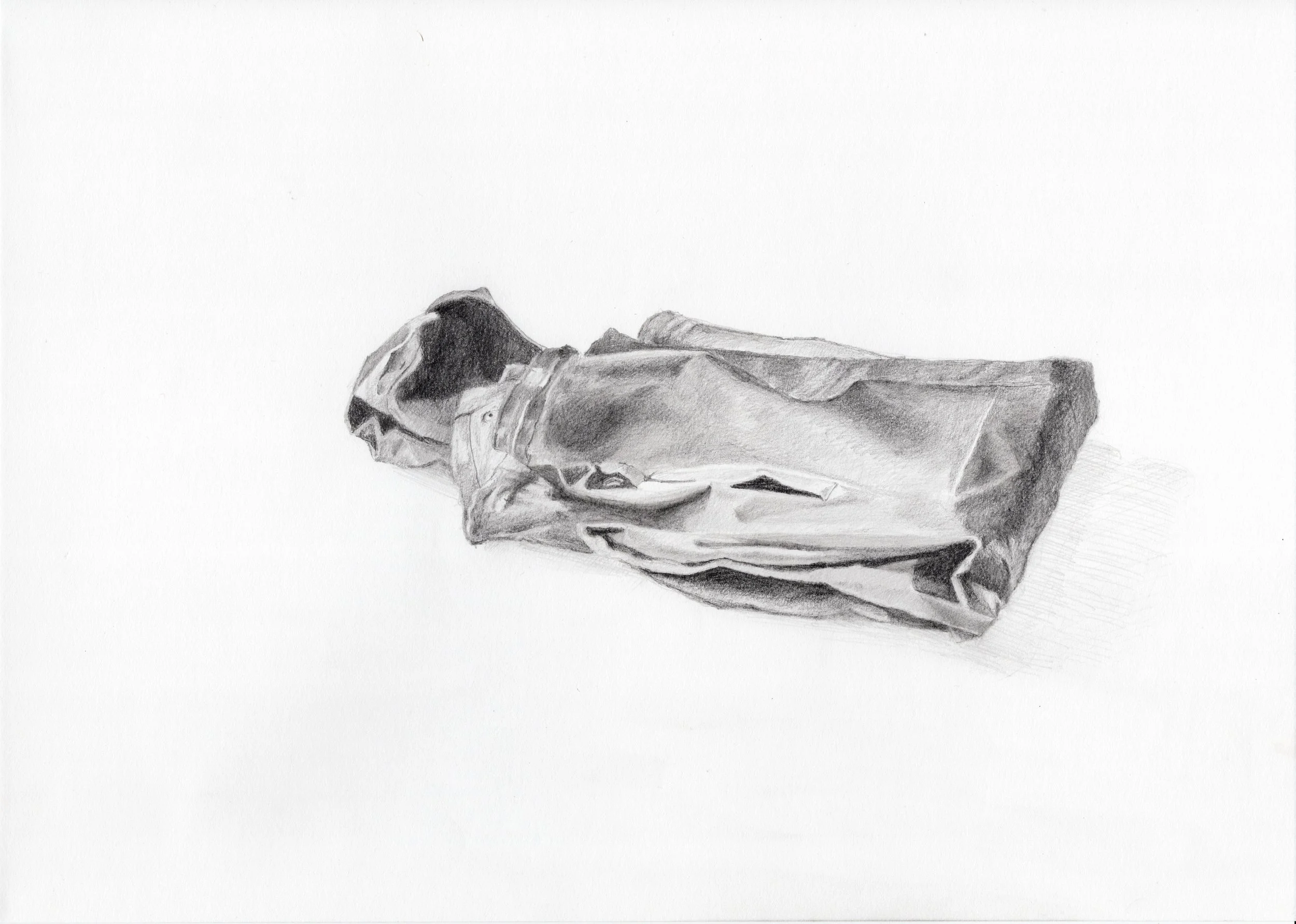
Mrs Kilman is a private tutor who is said to live in the slums. She is a lower middle class facsimile of the working class, reduced to poverty by being German in England during WWI. Her green mackintosh is a kind of uniform or overall that she wears all the time because she is poor and has no alternative. Despite this, it appears to Mrs Dalloway as something more like a badge or a placard that shouts at the top of its lungs the dignity of labour or something like that. This assigns her a different kind of time. Not only is she bereft of fashion and seasonal change. Wearing the same coat all the time means it is impossible for her to demonstrate through her clothing a properly bourgeois attitude to time of planning ahead, managing resources, restraint and saving.
The newspaper shared by the three lodgers in Franz Kafka’s novel “The Metamorphosis”.
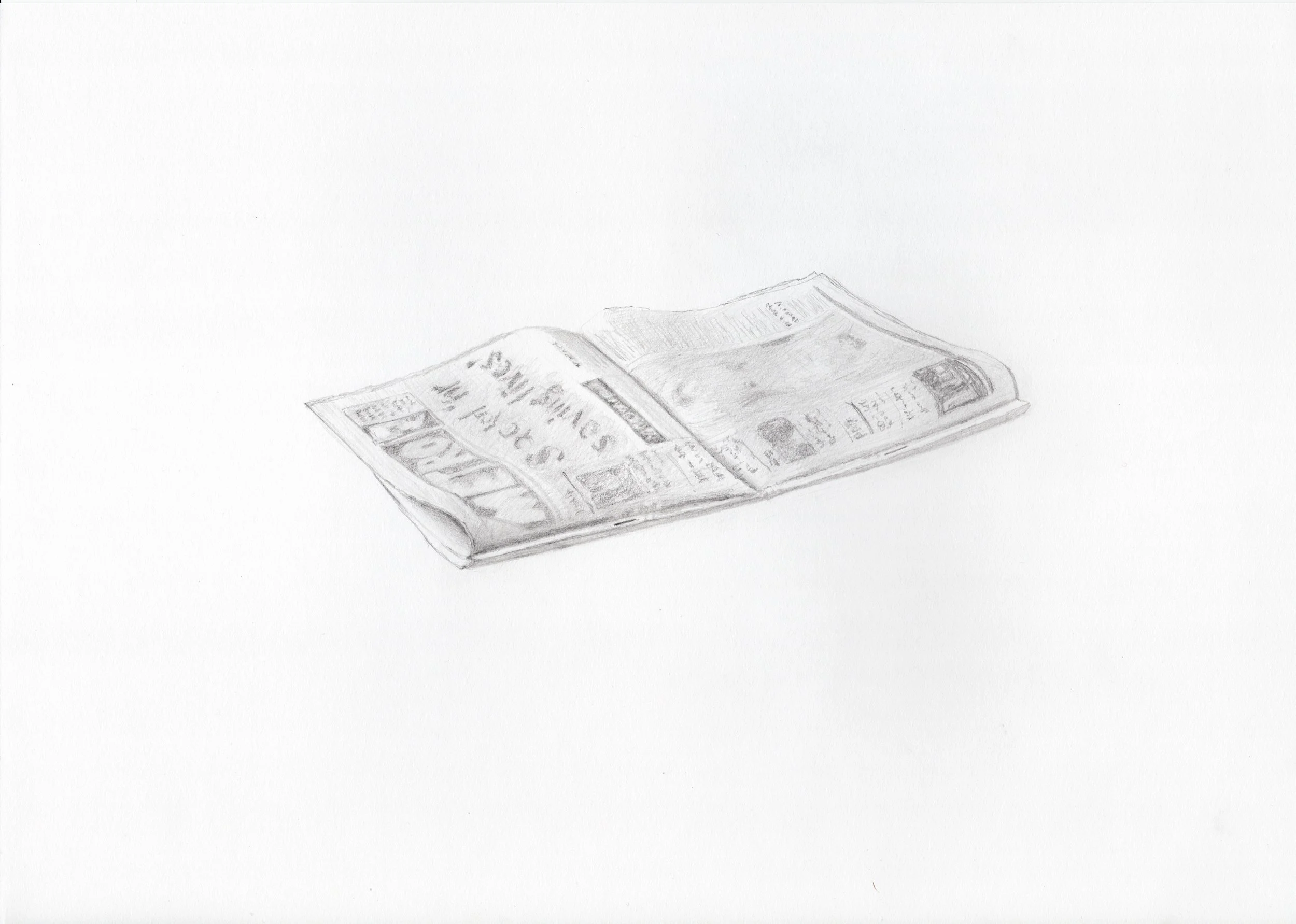
Kafka sets The Metamorphosis in a bourgeois world of domesticity and office work. Initially there are no working class characters in the story. The three lodgers are introduced to the story and the family home as a result of Gregor’s inability to work. We don’t know enough about them to determine their class. If they are working class then their uniformity is not a sign of middle class conformity but a sign of their belonging to the masses. The newspaper reattaches them to mass culture. Sharing it, perhaps, confirms that the culture industry is consumed collectively rather than experienced by individuals.
The diapers that the old woman pegs out while singing a popular tune in George Orwell’s novel “1984”.
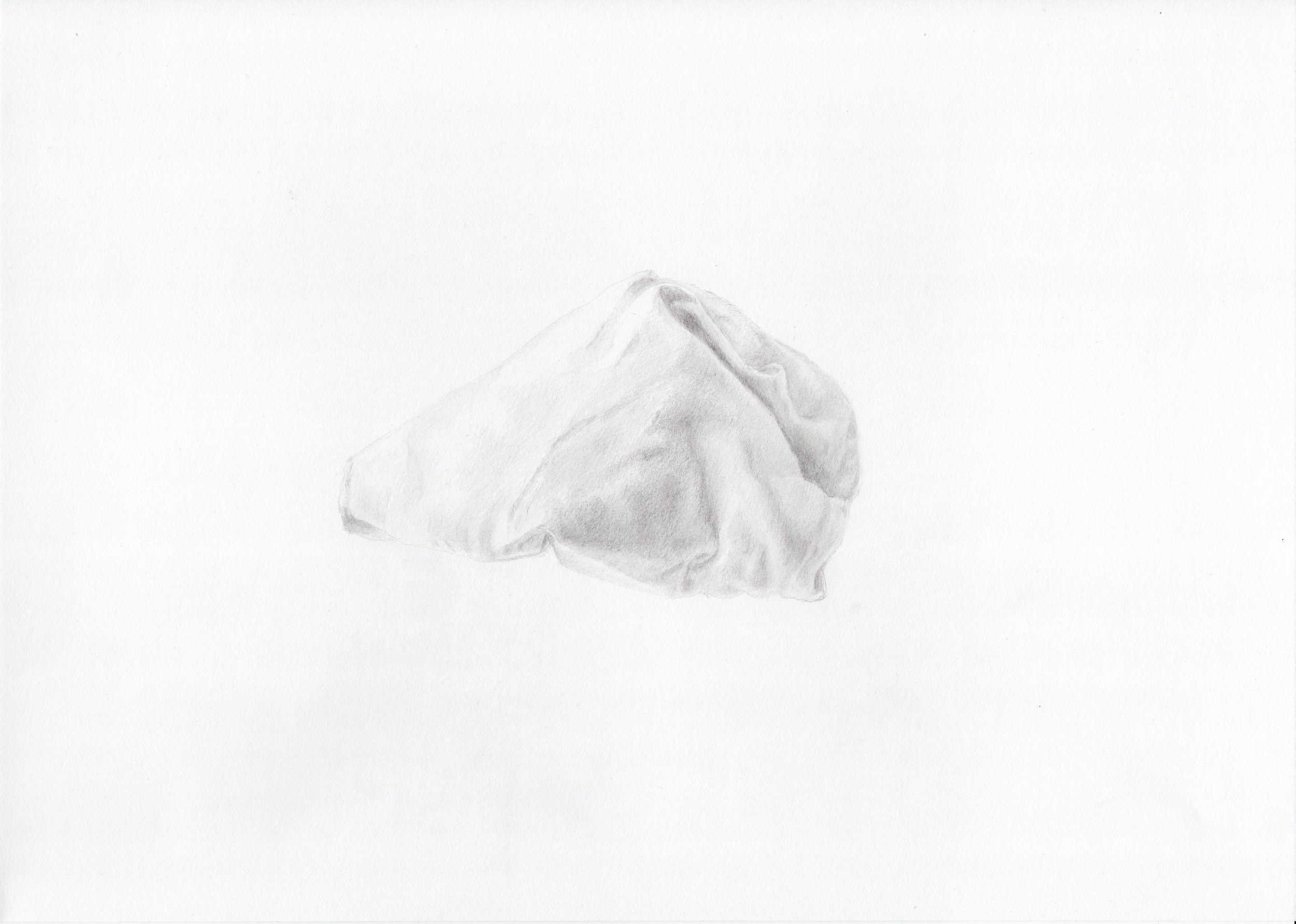
The diapers come into view after Winston hears a working class voice sing a popular tune that he despises. He sees the woman hanging nothing but diapers on the washing line. The first word Orwell uses to describe the old woman is ‘tirelessly’. Then he pays attention to her body with its ‘thick arms’ and ‘mare-like buttocks’. Her body, he says, was “blown up to monstrous dimensions by childbearing, then hardened, roughened by work till it was coarse in the grain like an over-ripe turnip”. As he sees her, she has “no mind, she had only strong arms, a warm heart, and a fertile belly”. Her life, Orwell says, had been “laundering, scrubbing, darning, cooking, sweeping, polishing, mending, scrubbing, laundering”. There are two caricatures of the laundress in bourgeois culture, “a washerwoman - robust, hardworking, sometimes a drudge; … an ironer - pretty, street-elegant, flirtatious”. Orwell hated cliche but couldn’t resist a stereotype of the working class.
The cervical collar worn by the drummer’s dad in Richard Loncraine’s film “Slade in Flame”.
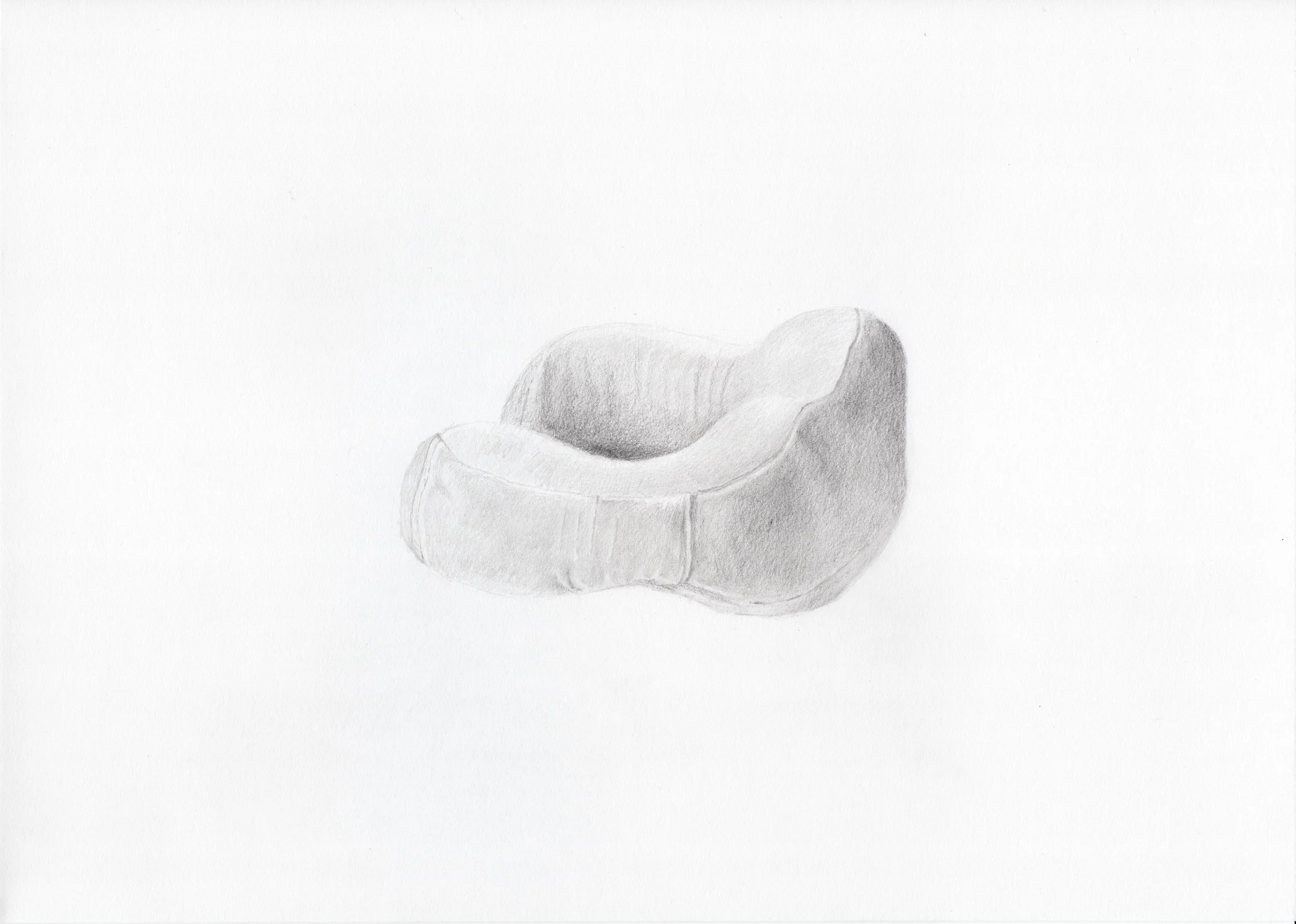
In a kitchen-sink style scene set in a high rise block of flats where his parents live, the drummer is subject to a stream of abuse by his mum while his silent but cheery dad sits at the dining table wearing a cervical collar. This is an ambiguous image of the industrial working class. If the injury is genuine, his dad is likely one of the numerous casualties of workplace ill-health. If the injury is feigned, his dad exemplifies the middle class fear of welfare cheats. Even if he has been injured through an accident at work, the caricature of the lazy parasite no doubt follows him for the rest of his life. Within the social hierarchy of classes, the only thing worse than the poor working class is the workless working class.
The glass of champagne that Liesel immediately spat onto her father’s overalls in Markus Zusak’s novel “The Book Thief”.
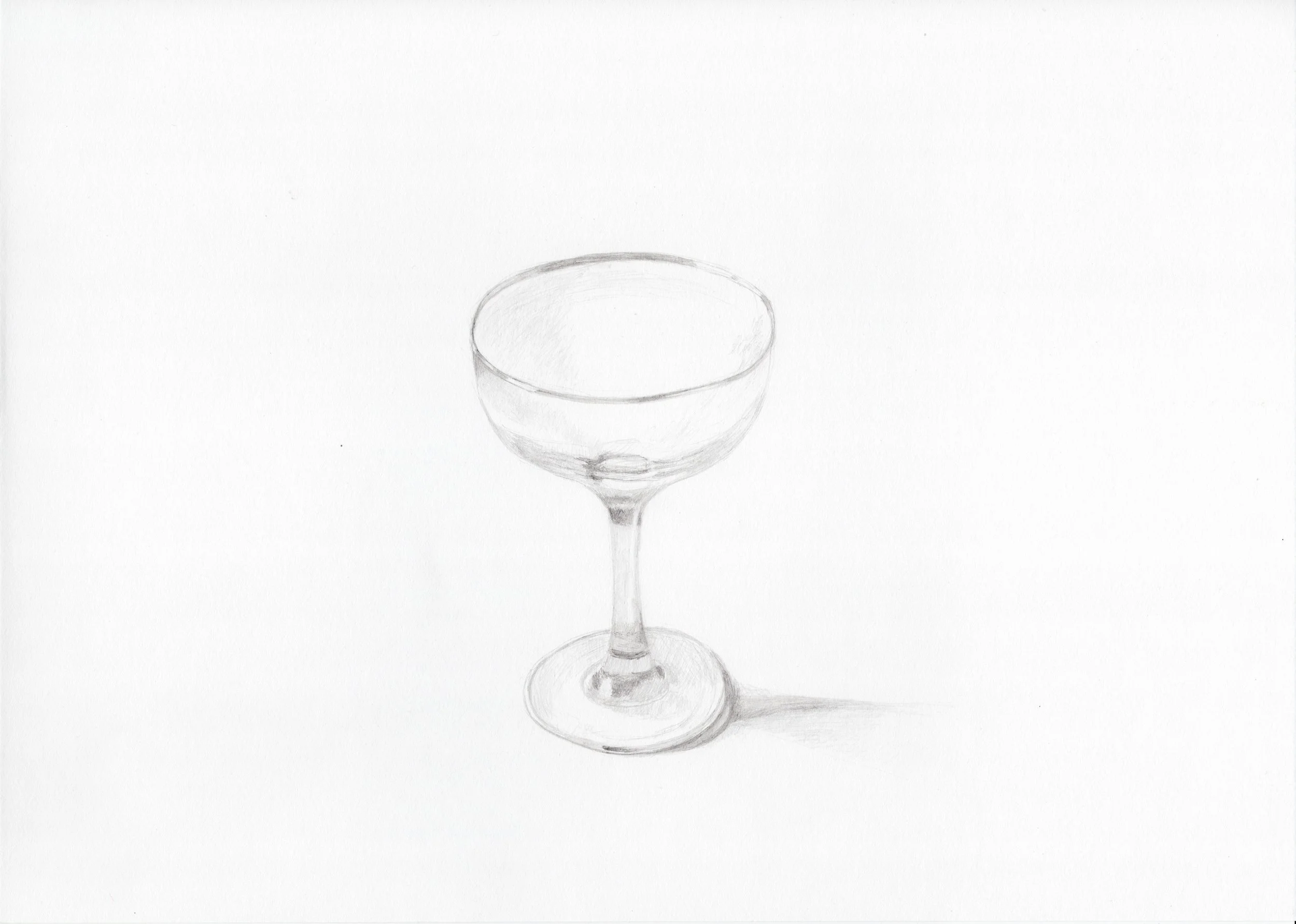
Liesel isn’t used to champagne. She is surprised when her father requests champagne from a client when they had finished work. It feels strange in her mouth and her body rejects it. This little scene stuck with me because it reminded me of all those times I dined in middle class company and was faced with something strange to eat or drink. These are anxious moments. I imagine that I’m going to spew out something foreign but more often I swallow it quickly to get it out of the way. I rarely have the confidence to offer middle class visitors working class food that they have in offering their favourite food to me.
The pail of milk carried by the meanly dressed girl in Mary Shelley’s novel “Frankenstein”.
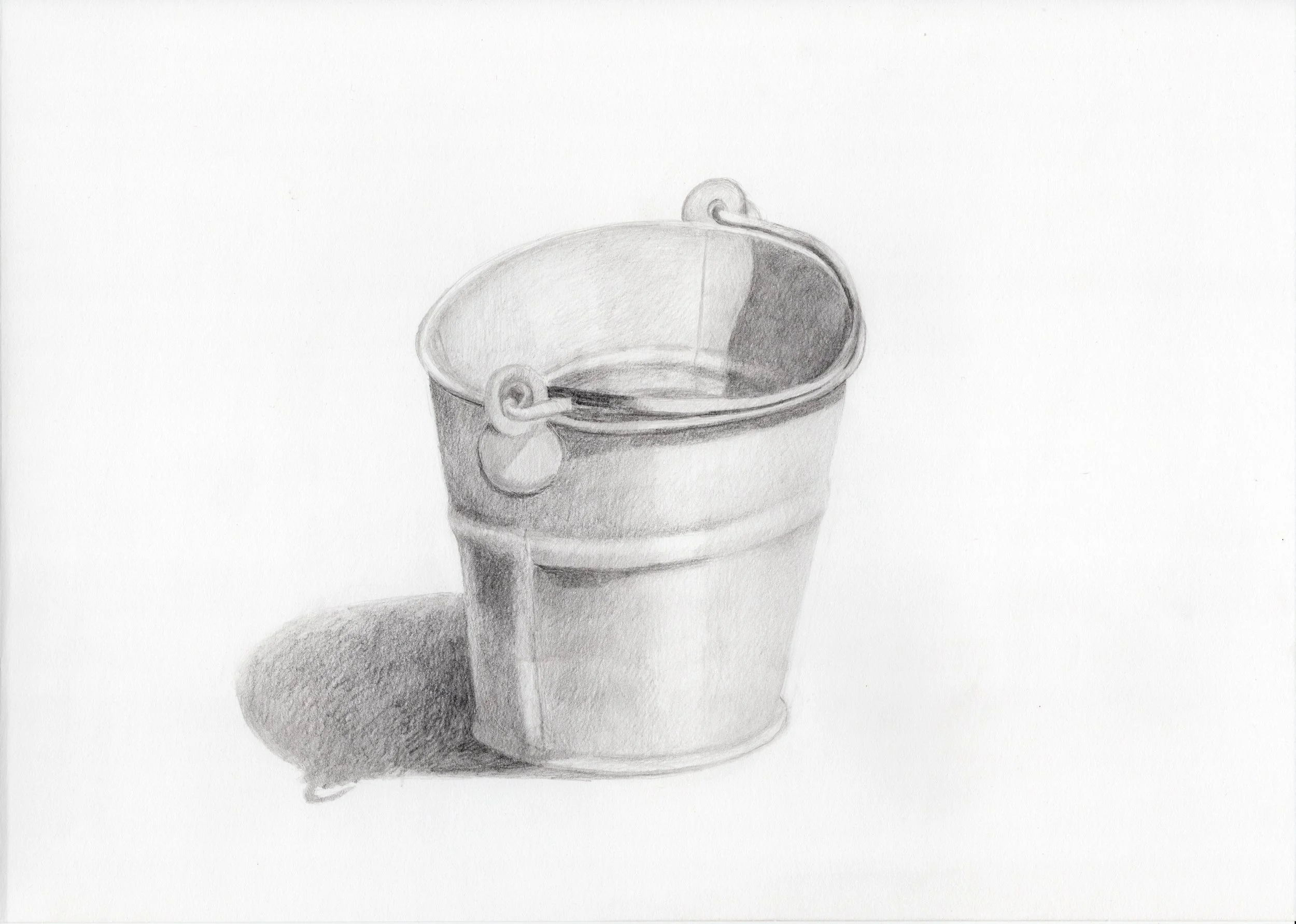
The poor exist in the background of “Frankenstein”, mostly as anonymous, generic service people or passersby. The poor family that the monster observes initially seems like an exception to this until it is discovered that they were once wealthy, important and admired. So, when the monster sees Agatha carrying a pail of milk, Shelley is stretching a standard image of pastoral masquerade across a longer narrative of tragic decline. The pail identifies her, momentarily, as a milkmaid, the most wholesome and feminine figure of the working poor. The milkmaid can also represent natural virtue as against courtly artifice. This is enhanced when the milkmaid happens to be well born. The wealthy, well born, educated and cultivated always imagine themselves to be better representatives of the poor than the poor themselves.
The saw which Sammy borrows to turn his broom into a blind person’s cane in James Kelman’s novel “How Late it Was, How Late”.
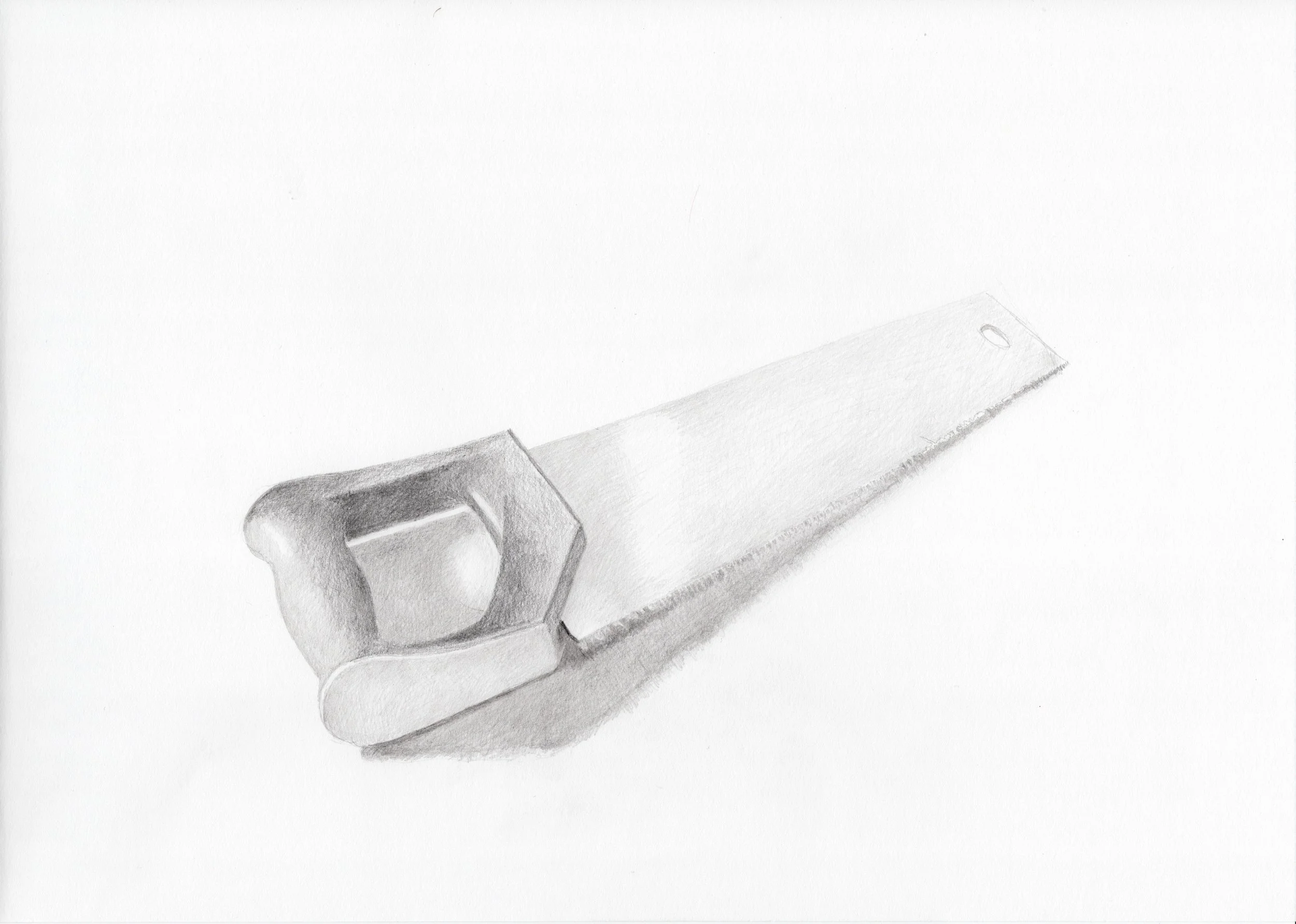
Sammy, made blind by a beating from the police, does not turn to the welfare state for a cane but makes it himself from a domestic broom. He borrows the saw from a neighbour - the first time the two men had made any contact with each other. This is no romantic concept of folkish community that stands as an authentic alternative to the state. And the result crystallises the social relations that produced it. It is not a proper cane, there is nothing official about it and it doesn’t meet British standards of manufacturing. His cane is no artisanal piece of genuine craft. It’s homemade and cobbled together on an “it’ll do” measure of quality. It is the charmless dog-end of vernacular things.
The thirties style blouse worn by the startled young woman on the reception desk in Lowestoft in W. G. Sebald’s novel “Rings of Saturn”.
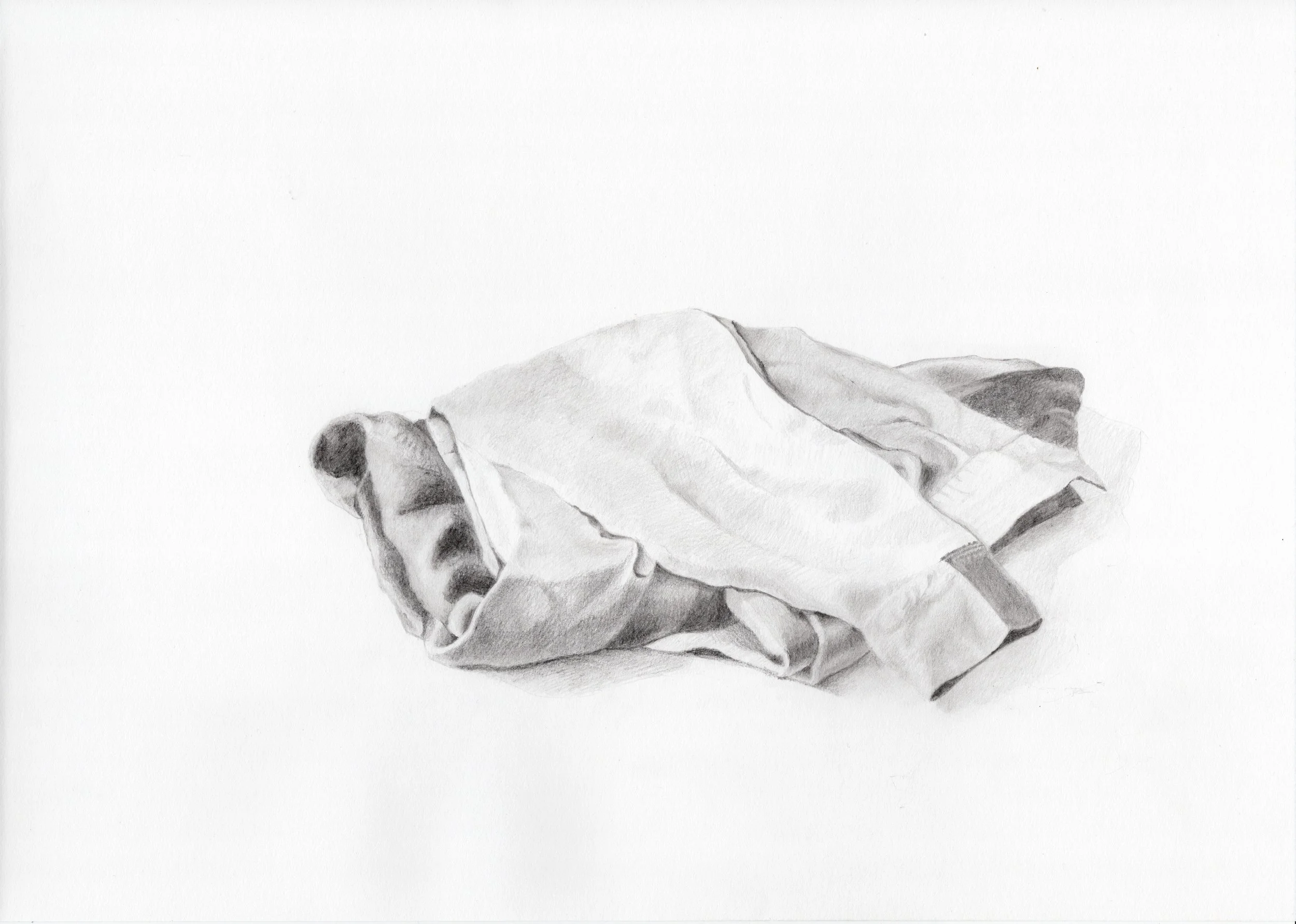
When working class figures appear in novels dedicated to middle class interior life they are encountered mostly as passersby or through transactions, especially in service and commercial work. It is very common for them to be described, judged on their appearance and categorised through their clothes and bodies. This is doubly true of the portrayal of working class women. Sebald tells us that the hotel receptionist avoids eye contact and she is identified as the person who brings him soggy chips and something that feigned to be fish. First, though, he says she wears a thirties style blouse. Sebald notes elsewhere in the novel that the thirties was a period of economic crisis and depression. In this context, her blouse resonates with the degraded status of the hotel. Published in 1995, the thirties style blouse is part of a style narrative that testifies to a life beyond being a receptionist.
The little suitcases carried by footballers on the tram after a match in Albert Camus’ novel “The Outsider”.
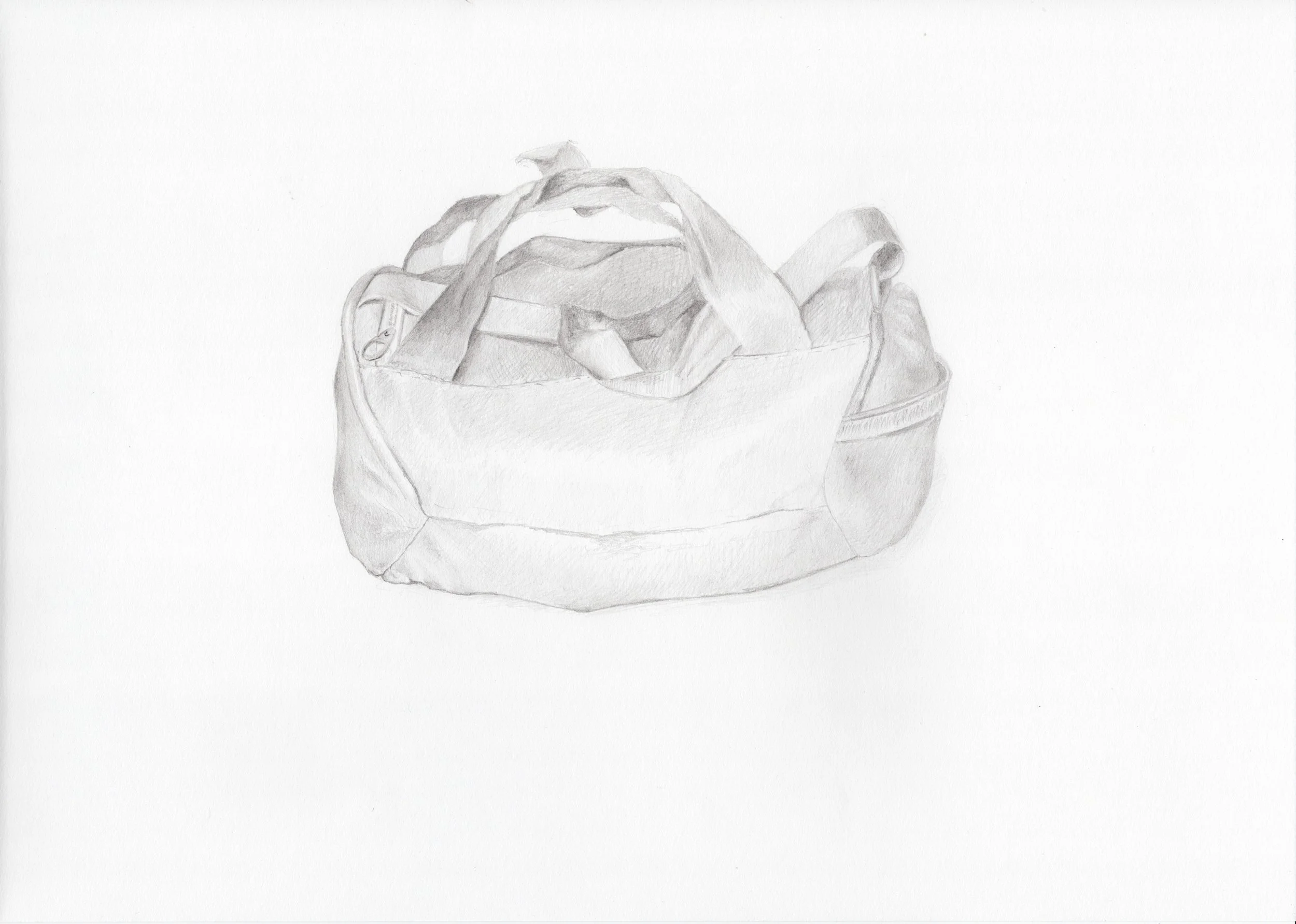
The novel dramatises a friendship between a bohemian lower middle class man, Meursault, and a representative of the white lumpenproletariat, Raymond. It is the story of Meursault’s decline into the murder of an Arab but it is Raymond’s dramas that drive the narrative. As a figure of the working class, Raymond is a compilation of all the clichés of the ‘criminal class’. He is nothing but racist, sexist, work shy, violent, impulsive and criminal. This image of the working class is monumentalised in the story. Very few alternatives of working class life are given space in the novel. One is the tram full of footballers after a match, each carrying a sports bag. The footballers are a different image of working class masculinity that does not appeal to Meursault and does not feature in the bohemian fantasy of the working class outsider. They pass by in the background of Meursault and Raymond’s sexist, racist, violent drama.
The cards Jack used to play poker when he won a ticket to sail on The Titanic in James Cameron’s film “Titanic”.
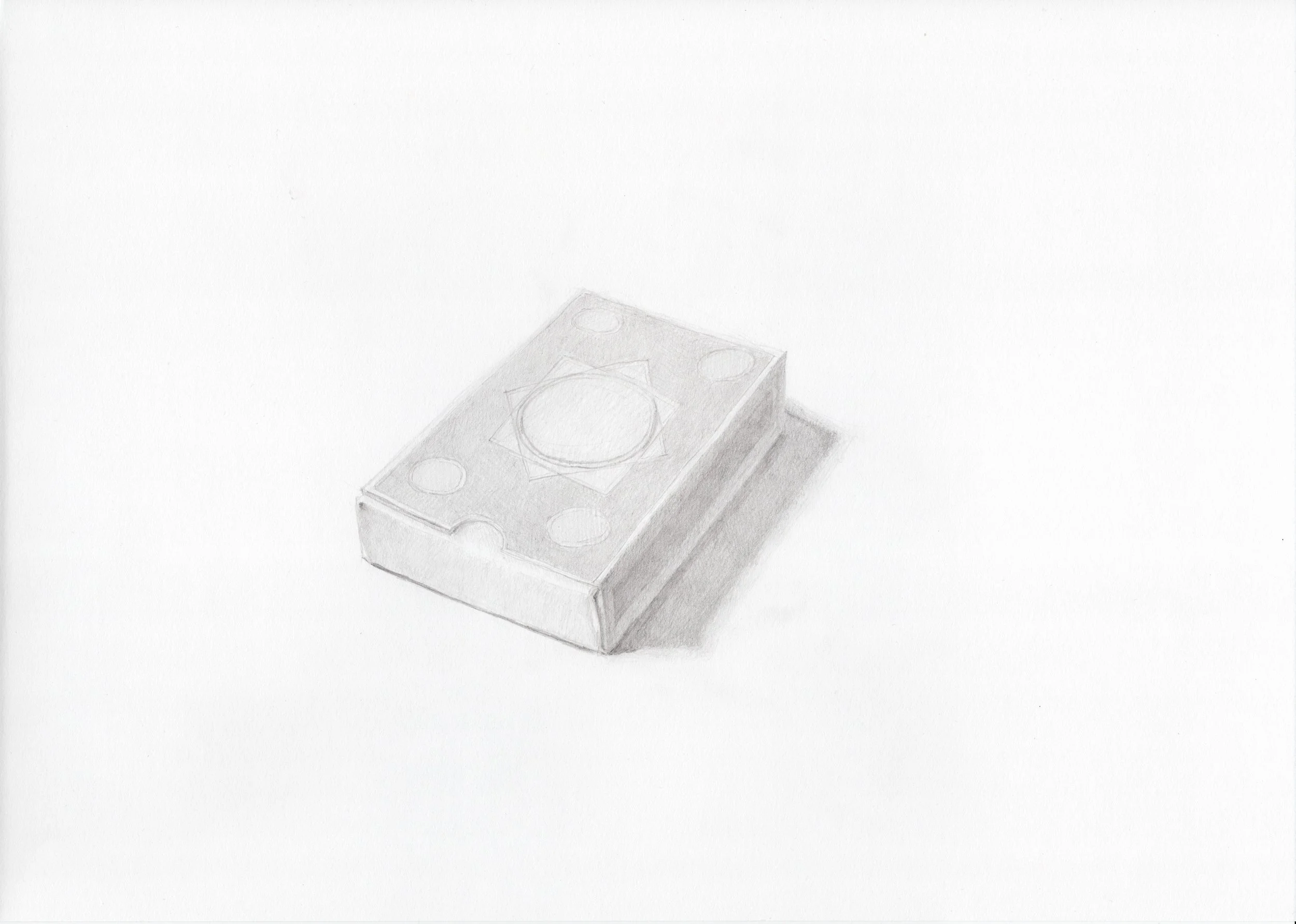
Jack is not working class or not straightforwardly so. His backstory describes him as American, a drifter, hair a little long for the standards of the time, unshaven and wearing rumpled clothes from sleeping in them. Not all of these features made it into the movie. His backstory also specifies that he is twenty and has been living on his own since fifteen. These are all features of the poorest of the working class and the fact that he won his ticket through gambling also echoes a classic bourgeois stereotype of the working class. However, his appearance is explained by Cameron as a consequence of being an artist and bohemian. These are usually reserved for the bourgeois class because becoming an artist requires years of expensive education and being a bohemian means living among the poor without being one of them. He is a composite of two classes because he is a fantasy image of bourgeois nonconformity, independence and authenticity. Cameron’s personal investment in this fantasy is perhaps indicated by the fact that he personally produced all of Jack’s drawings for the film. Sociologists like Veblen thought gambling among the working class was an archaic trait bound to the belief in luck but working class gamblers themselves, just like their middle class counterparts, have focused on skill, knowledge and probability. Since Jack’s fate is changed by a game of cards, Cameron takes sides with Veblen.
The broom Jo uses to sweep the crossing to the law courts in Charles Dickens’ novel “Bleak House”.
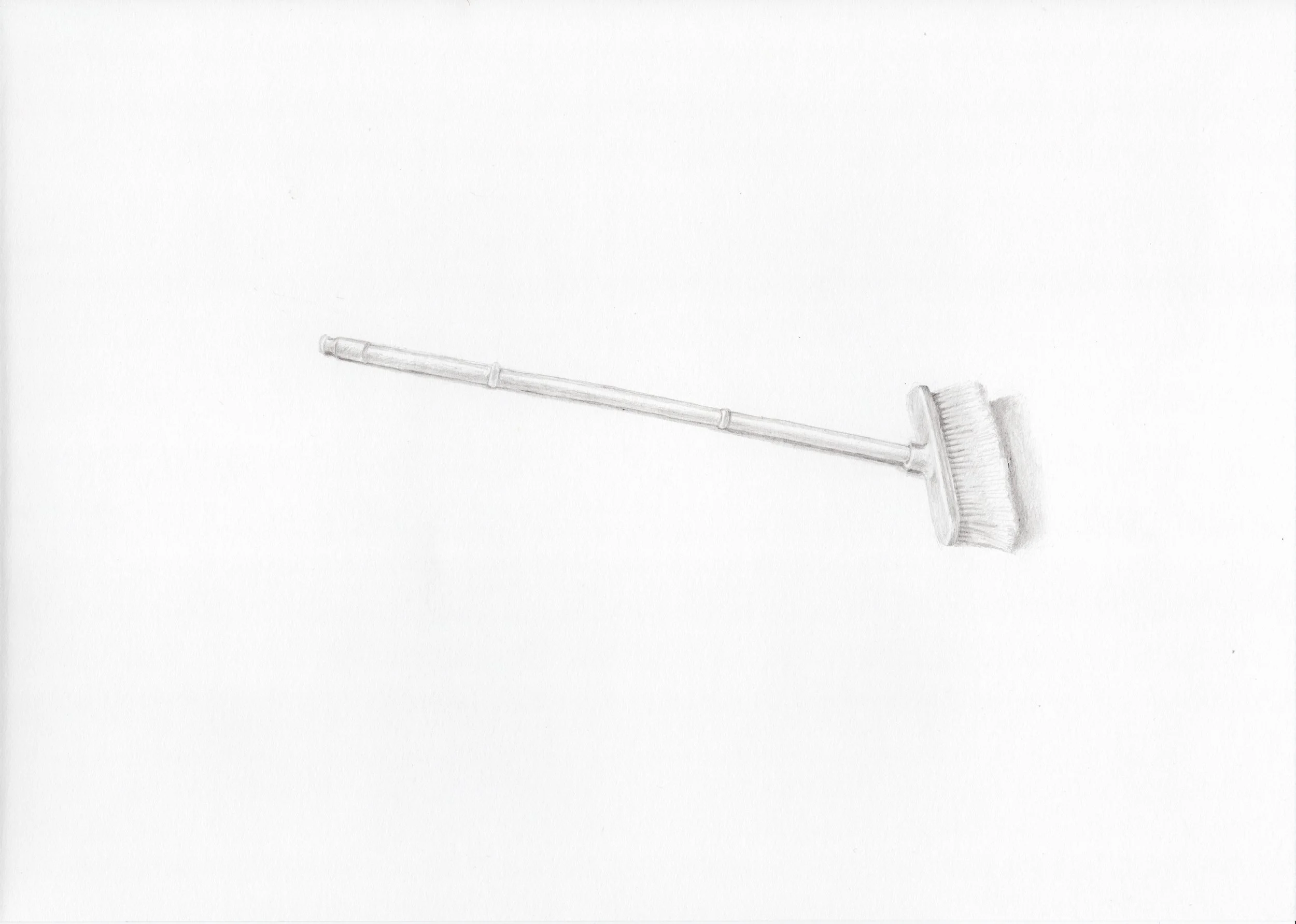
Jo is the epitome of the Victorian lumpenproletariat child: orphaned or abandoned, illiterate, lives in a slum, barefooted, earns a pittance in dirty manual labour and, ultimately, the carrier of disease. He sweeps the crossing close to the law courts, presumably to allow lawyers, judges and other legal professionals to enter Chancery Lane without soiling their shoes. Jo’s broom would have had a bundle of twigs - furze, heather or birch - tied to one end of a stick made from hazel or ash. It put him in proximity to the woods. When Lady Dedlock in disguise pays Jo to show her where Nemo is buried, dropping the coin into his filthy hand rather than touch him, he points to the grave using his broom handle. An extension of his body, the broom handle is the least offensive of his limbs.
The shoe that Marcovaldo pretended to lace up so that he could get a closer look at mushrooms growing on the street in Italo Calvino’s novel “Marcovaldo”.
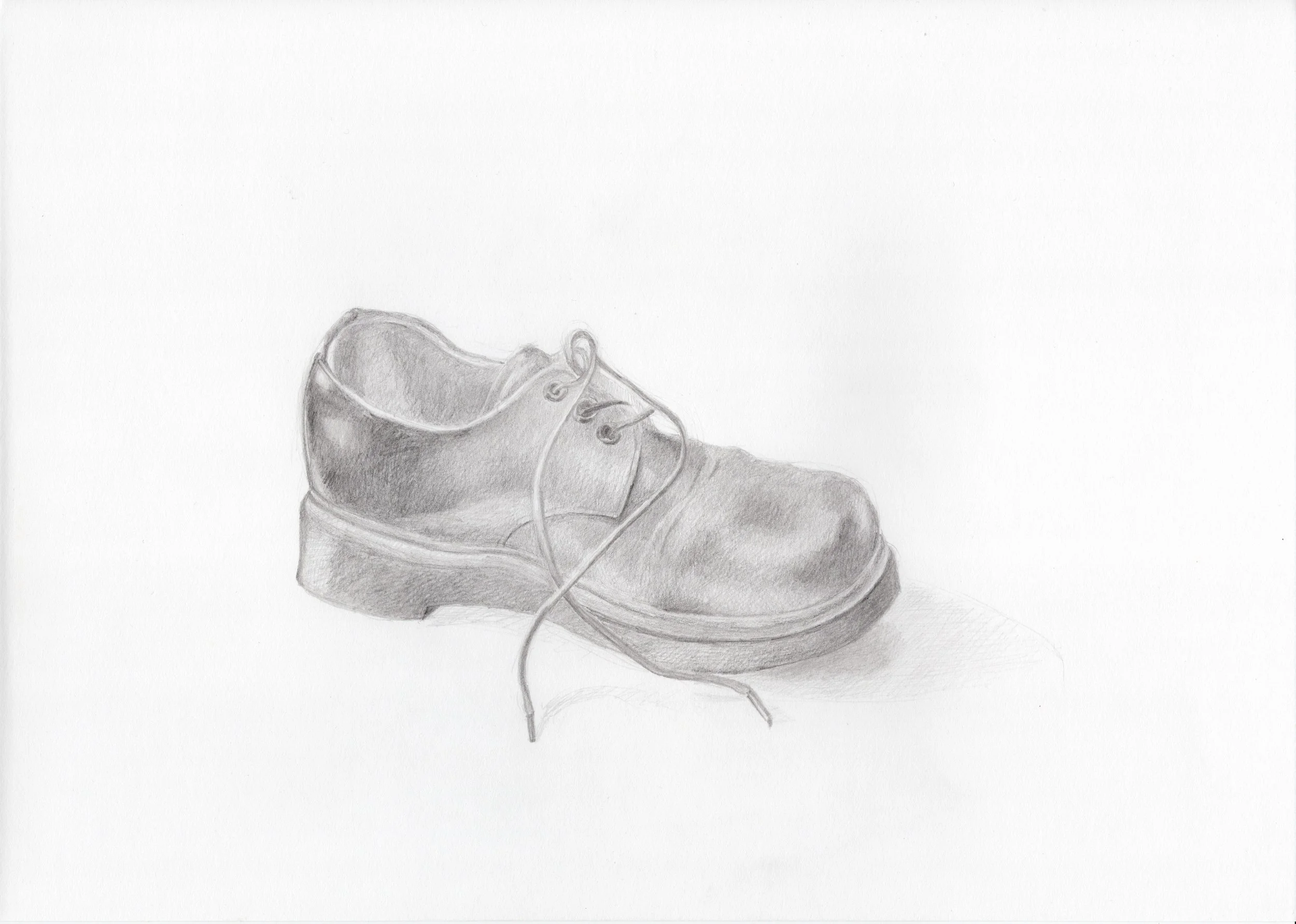
The shoe is not the thing. The thing is the mushrooms. The shoe is a substitute for the thing in order to keep the thing secret. The shoe quickly disappears from the story while the mushrooms are central to it. The idea of concealing his attention on the mushrooms is to stop anyone else from seeing them, to let them grow and to keep them out of someone else’s frying pan. The shoe is the mask Marcovaldo wears at his most reactionary. This is a perfect image of the most basic definition of working class conservativism: the poor do not learn from struggle that they have common interests and are driven by competition rather than solidarity and community feeling. The story of the mushrooms is not about Marcovaldo’s reactionary feelings but describes a practical lesson in solidarity.
The bottle of red wine that Gordon tells the waiter to warm up in George Orwell’s novel “Keep the Aspidistra Flying”
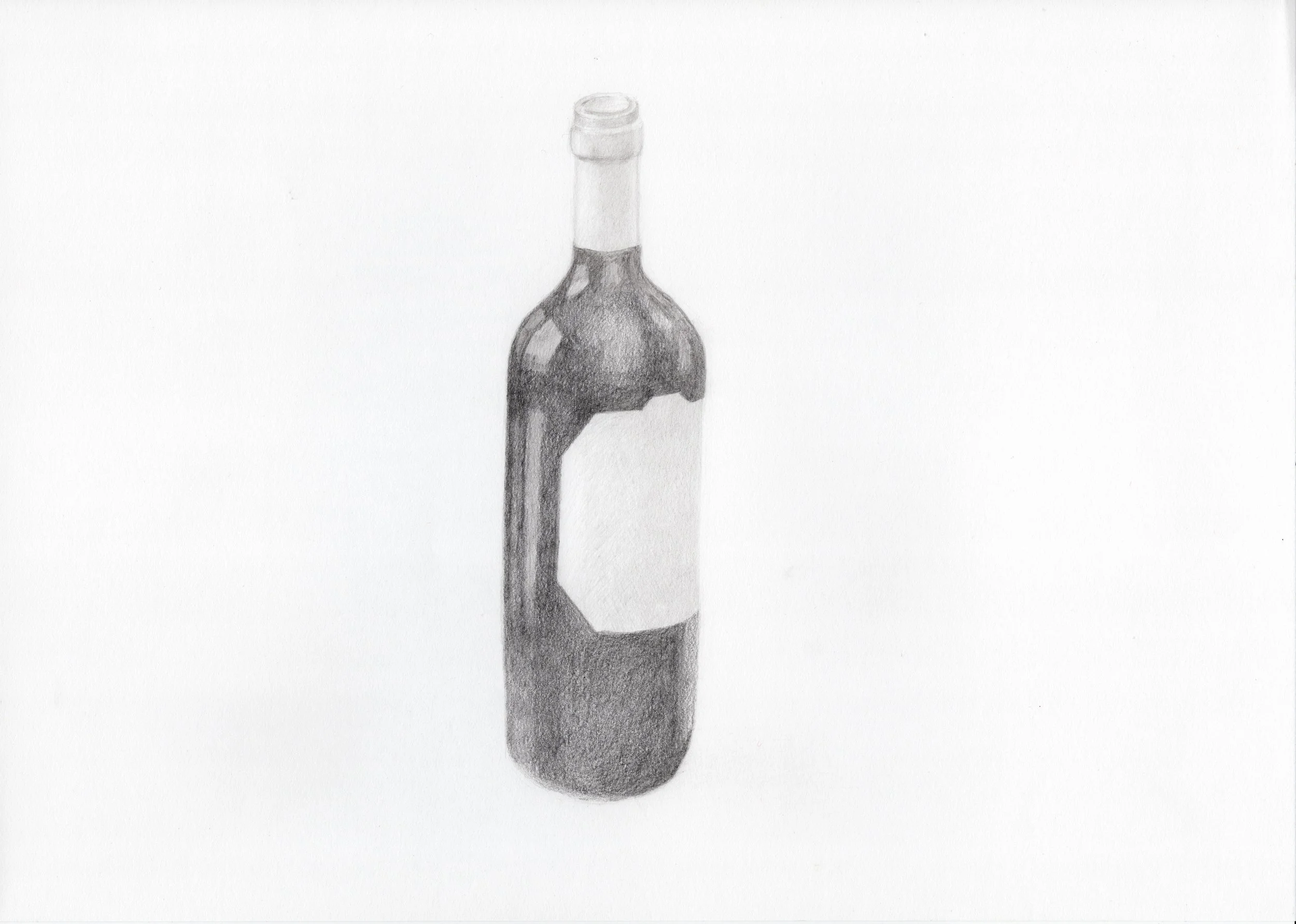
In this near-autobiographical narrative, Orwell’s character “never felt any pity for the genuine poor. It is the black-coated poor, the middle-middle class, who need pitying.” If he is, in part, ridiculing his own class, he does so, time and time again, by whining about the working class. He “looks callously” at tramps asleep on the streets and imagines working class waitresses openly giggling at the few pennies in his pocket. When he finally encounters a working class person - a waiter - he describes him as unclean, openly contemptuous, probably pretending to be foreign. He takes the first opportunity to put the waiter in his place. “That’s not the way to serve red wine,” he said, “it’s stone cold. Take the bottle away and warm it.” Class, for the privileged, is not quantifiable in comparative levels wealth and belongings but expressed in character, manners, style, taste and sophistication. In principle, this means anyone can exhibit the desired qualities of the elite, but these assumptions about class come with the beliefs that the poor who obtain some education and culture will always be found out because their real background will show through. The inverse is supposed to be true of the impoverished middle class whose good character it seems will always show through.
The large collection of unread books in F. Scott Fitzgerald’s novel “The Great Gatsby”.
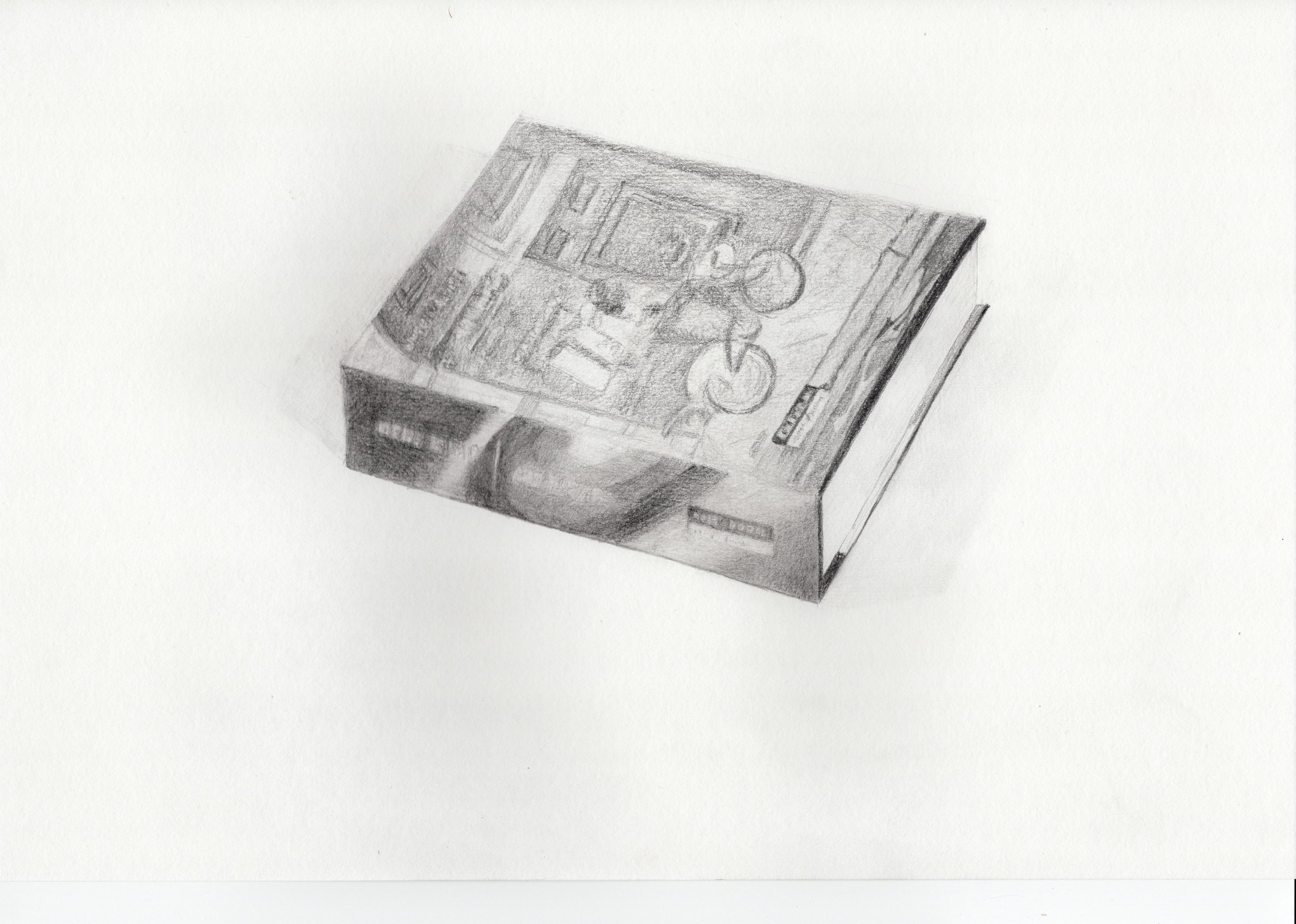
Literacy and the norms of reading often, widely and deeply are key middle class virtues. When a drunken guest discovers that many of the books on Gatsby’s shelves are unread, this immediately casts doubt on his character. Not only does it show that he is less well read than he appears but it reveals his book collection is a mask of someone that he pretends to be without any substance. Knowledge and culture are landmarks of this perceived shortfall but it can be spied in our clothing, homewares, etiquette and cuisine just as easily. It’s a gotcha moment that every working class person living in a middle class milieu expects.
The chocolate given to Rick by the long armed girl that he doesn’t eat in Kazuo Ishiguro’s novel “Klara and the Sun”.
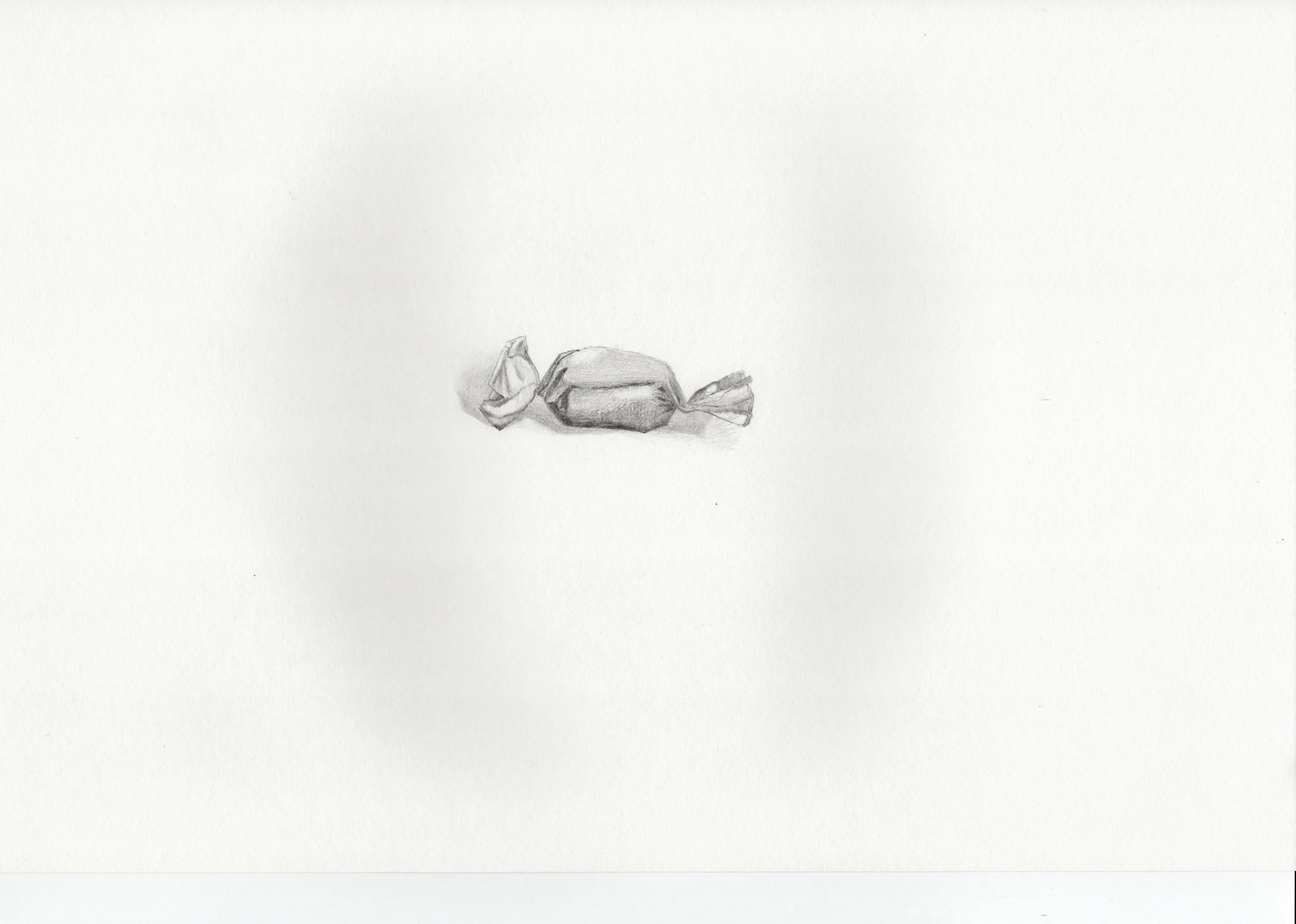
When Rick, the poor boy next door, is invited to a party for Josie’s elite peer group, he is met with cruel sympathy and whispers that he shouldn’t be here. One of the girls who believes that he doesn’t fit in goes over to him and offers him a chocolate. He takes one and she starts some small talk. She is being polite and hospitable. The other girls begin to quiz him about his home and his life. When he asks why they are all so curious the girl who gave him the chocolate says “it’s called conversation”. He holds on to the sweet for some time. The longer he refuses to eat the chocolate the more he casts a shadow on the girl’s intentions. The tension that he has created by refusing to comply is popped when another girl says, “Why doesn’t he eat his chocolate? He’s just holding it.” In response, Rick offers the chocolate out to her but she backs away.
The coffee cup in the cafe in Chantal Akerman’s film “Jeanne Dielman, 23, quai du commerce, 1080 Bruxelles”.
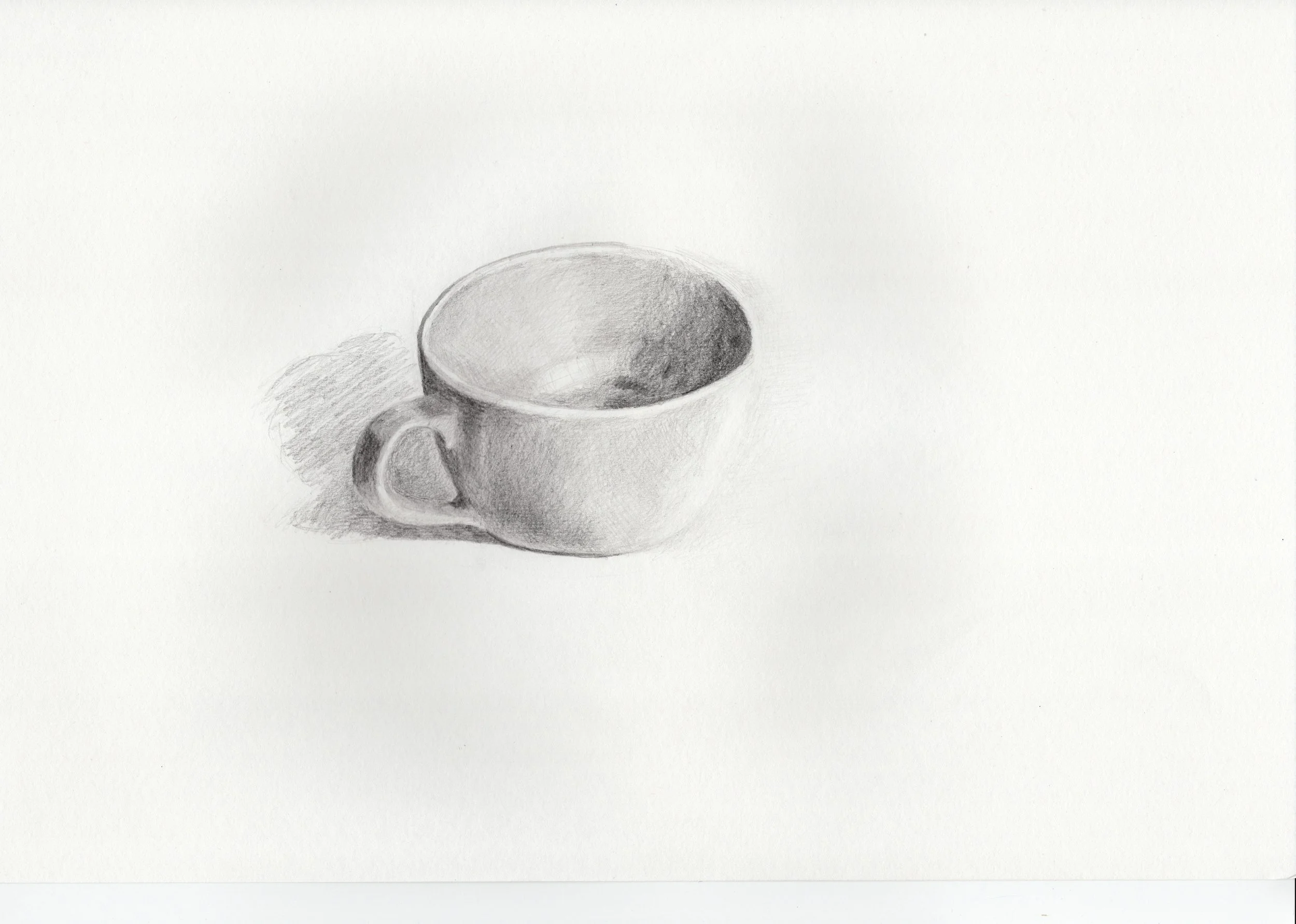
Jeanne attempts to drink five cups of coffee in the film. Three in her home and two in a cafe. The first is a brief moment in the morning in the middle of her chores when she is making breakfast and she stops to have her first coffee. This is only the second time she shows pleasure. The first is when she enjoys the music she listens to while knitting. She has another coffee during a break in her housework that is interrupted by someone at the door. A third is poured down the sink because something is wrong with it. Her first cup of coffee in the cafe is handed to her by a waitress. She hasn’t made the coffee and she won’t clean the dishes afterwards. Sat in the cafe she takes a little bit of time, staring into space, to think about something before returning to her routine. The second time she visits the cafe another woman is sat at her table. Jeanne looks put out by this. She buys the coffee and stirs in the sugar as usual but doesn’t drink it. This is the most dramatic moment in the film so far.
The small jug of milk placed next to the strawberries carried in by Zina in Anton Chekhov’s short story “Neighbours”.
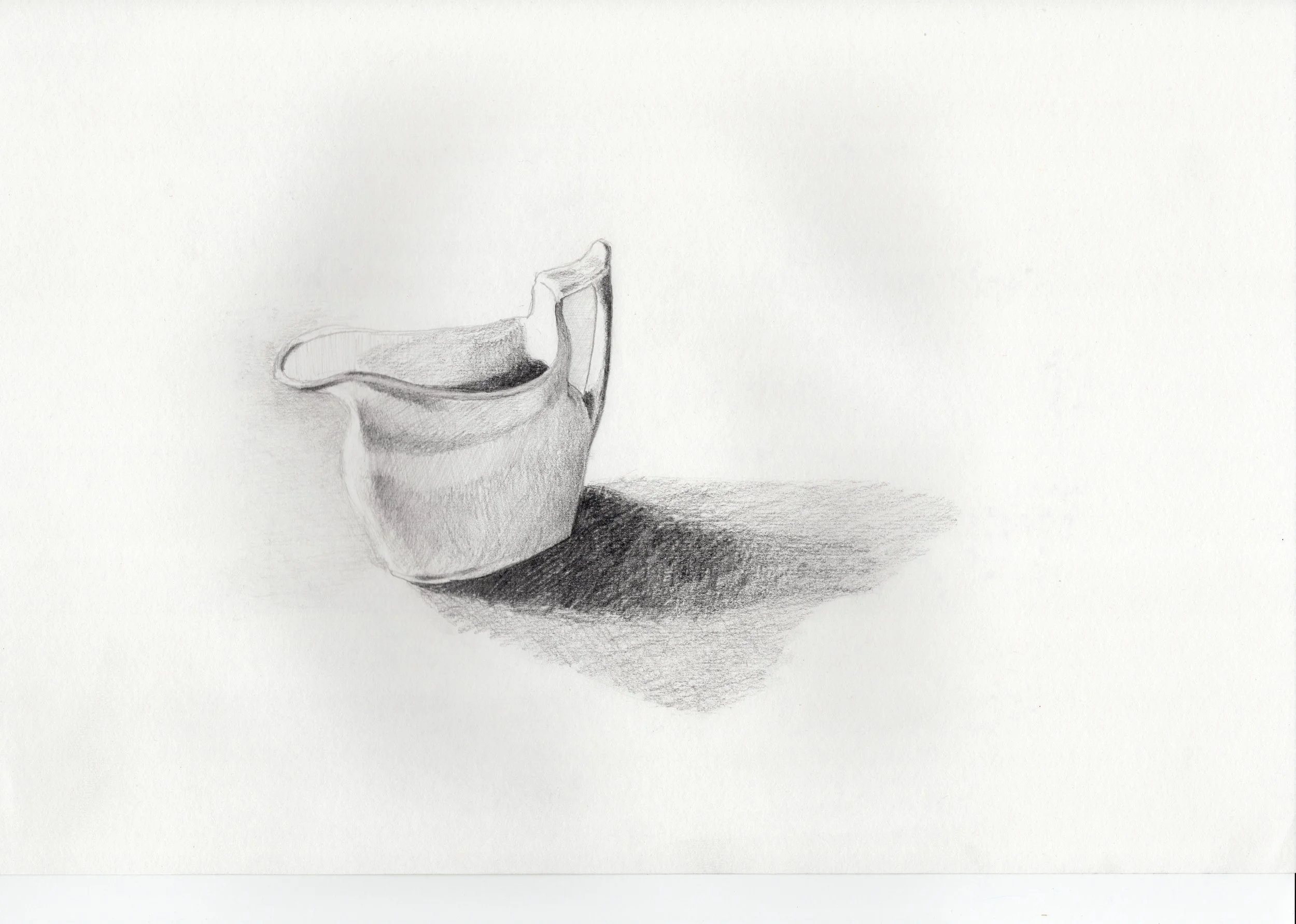
The jug is brought in by an anonymous “little maidservant” who walks behind Zina. She is described as “looking crushed and humble” - perhaps Zina has crushed her just before they enter the room (Zina believes the servants show a lack of deference towards her because she lives with a married man). The maidservant is also described as “in keeping with the old furniture, something petrified and dreary”. The jug is the excuse for this minor instance of class bias. The servants seem to belong to the past because of their lack of education, attachment to tradition and indifference to fashionable ideas such as ‘free love’. Only twenty or so years before, Russian domestic servants were serfs, which meant they were unable to leave, relocate or marry without the permission of the landowner.
Dave Beech
Born into a working class family in Warrington in the mid-1960s, Beech was the first member of his family to go to university. While studying painting in Leicester Polytechnic, Beech compensated for his lack of experience in art by spending a greater and greater proportion of time in the library. Instead of catching up on his middle class peers, Beech became a theoretically supercharged artist. Subsequently, Beech completed an MA in cultural theory at the Royal College of Art, writing a thesis on the history of philistinism. His MA thesis was the basis of a book co-edited with John Roberts for Verso called ‘The Philistine Controversy’. Later, Beech was awarded a PhD at University of the Arts London on the economics of art. Beech is the author of Art and Value: Art’s Economic Exceptionalism in Classical, Neoclassical and Marxist Economics (Brill 2015); Art and Postcapitalism : Aesthetic Labour, Automation and Value Production (Pluto Press, London, 2019); and Art and Labour: On the Hostility to Handicraft, Aesthetic Labour and the Politics of Work in Art (Brill 2020). As an artist, Beech has exhibited at the Istanbul Biennial, Guangzhou biennale and the Liverpool Biennial as well as BAK (Utrecht), Wysing Arts (Cambridge), SMART Project Space (Amsterdam), the ICA (London), Centro Cultural Montehermoso (Vitoria, Spain), the Collective Gallery (Edinburgh), International Project Space (Birmingham), 1000000mph Gallery (London), Exeter Pheonix and UNO (New Orleans).